Adin Ross Storms Off After Shocking Betrayal By Fellow Streamer
By 813 Staff
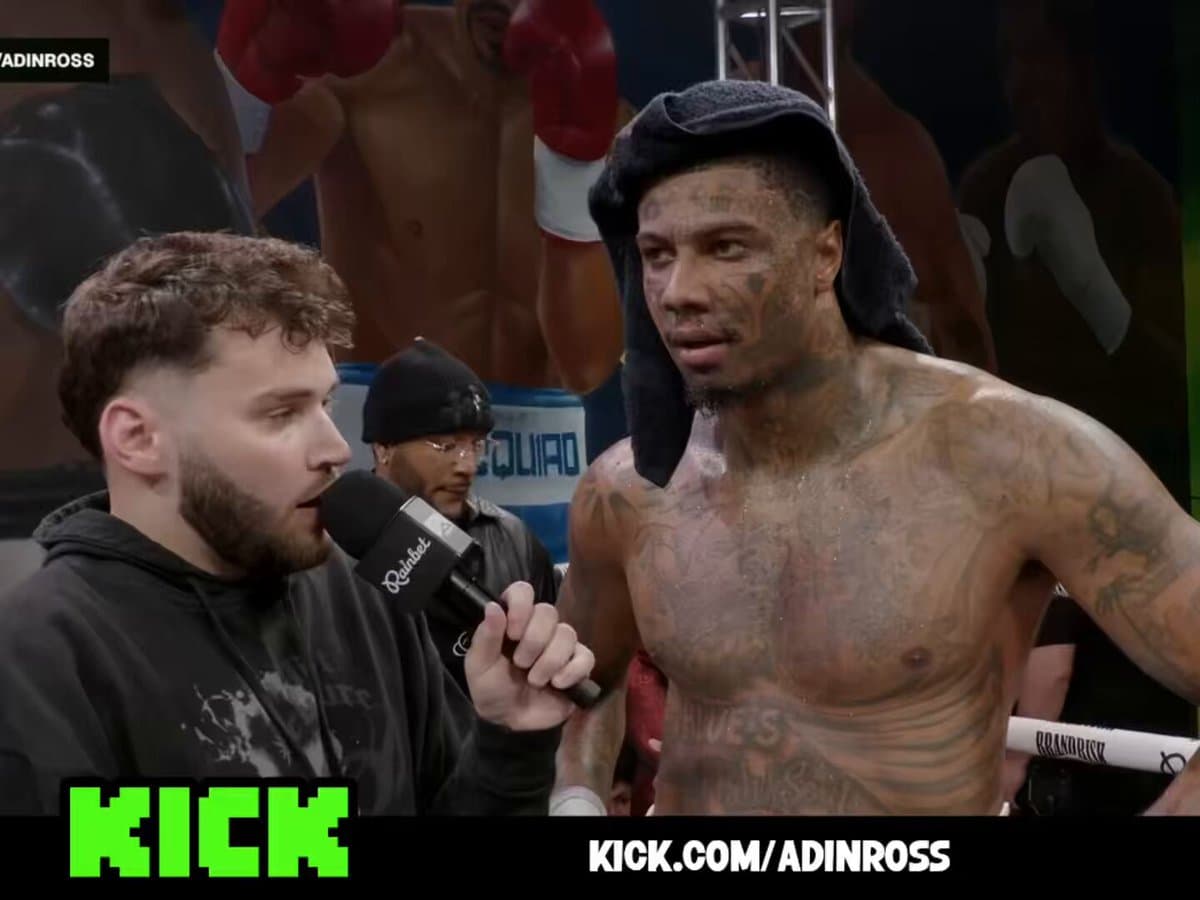
The digital creator economy runs on symbiotic partnerships, but its latest, high-profile fissure reveals the fragile nature of these alliances when real-world business collides with online personas. This week, the streaming ecosystem is dissecting the sudden, public unraveling of the collaboration between Adin Ross and the rapper Blueface, a partnership that had become a reliable engine for views and virality. The rupture, captured in a clip shared by the outlet No Jumper (@nojumper) on March 15, shows Ross appearing visibly distressed following an on-stream declaration from Blueface that he would not be returning. The moment has sparked a wider conversation about the sustainability of content built around volatile personalities and who ultimately holds the leverage in these deals.
Industry insiders say these arrangements are rarely as simple as a guest appearance. Behind the scenes, they often involve complex agreements covering revenue splits, exclusivity clauses, and content ownership, negotiated amidst the intense pressure of live broadcasting. For Ross, whose platform has increasingly leaned on a rotating cast of controversial figures from the hip-hop and influencer world, Blueface represented a consistent draw. His unpredictable antics translated directly to metrics—concurrent viewer spikes, clip proliferation, and sustained subscriber engagement. The numbers tell a different story from mere gossip; they represent a tangible business disruption. The emotional reaction from Ross, a seasoned broadcaster, underscores how deeply these professional relationships are intertwined with the content product itself.
The immediate consequence is a content void and a scramble for a new narrative. Ross’s audience tunes in for high-stakes, unfiltered interaction, and the loss of a central character forces a rapid pivot. For Blueface, the move may be a play for greater autonomy or a renegotiation of terms under the public spotlight, a common tactic in an industry where perception drives value. The key question now is whether this is a permanent schism or a strategic hiatus. Such breaks are often a precursor to a renegotiated, more lucrative return, framed as a "major comeback" to maximize audience impact.
What happens next hinges on private negotiations currently underway. Both parties have substantial incentives to reconcile, but the precedent of public discord can complicate matters. Other creators and their management teams are watching closely, as the outcome will serve as a case study in conflict resolution within this new entertainment paradigm. The uncertainty lies in whether this partnership can be mended to mutual benefit or if it marks a definitive shift in both creators' content strategies, prompting Ross to cultivate a new stable of talent while Blueface leverages his amplified notoriety elsewhere. The stability of a digital empire, it seems, can hinge on a single, tense broadcast.