British TV Star's Terrifying Brush With Death In War Zone
By 813 Staff
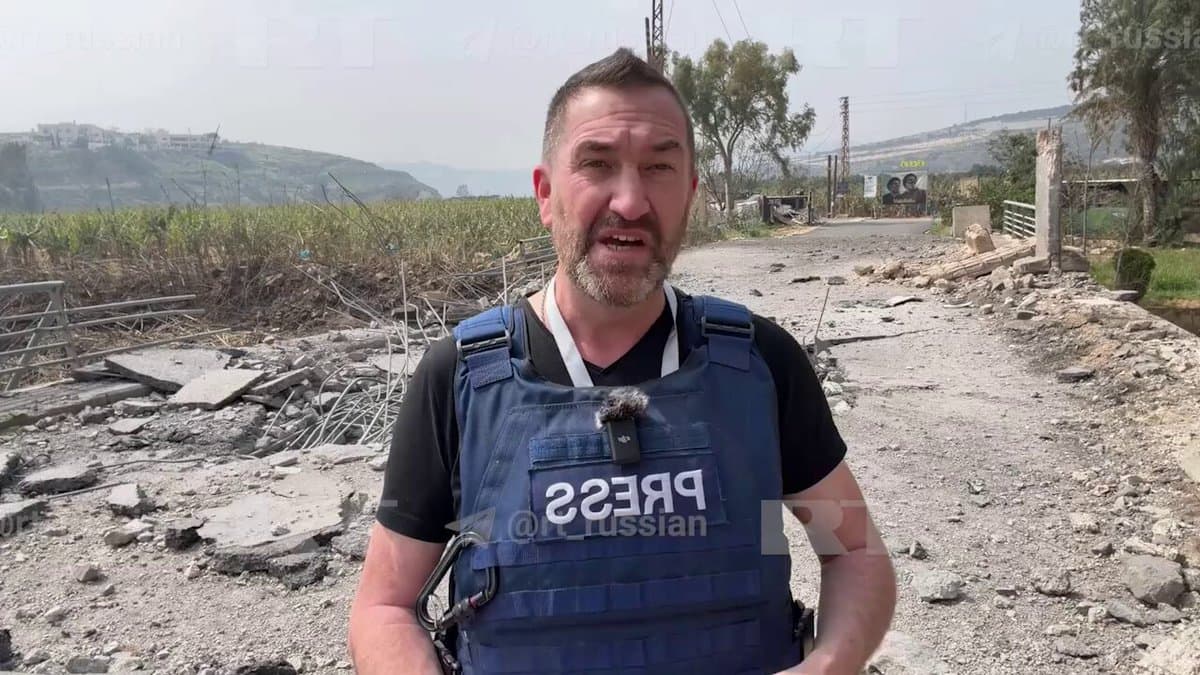
The entertainment world is reacting to British TV Star's Terrifying Brush With Death In War Zone, according to Daily Loud (@DailyLoud) (on March 19, 2026).
Source: https://x.com/DailyLoud/status/2034658490279485886
For a high-profile journalist, the line between a career-defining assignment and a life-threatening one is perilously thin. That reality came into sharp, terrifying focus this week for British broadcaster and documentarian Stacey Dooley, whose close call with a missile strike in southern Lebanon underscores the immense personal risk taken by media figures operating in global hotspots. While Dooley emerged physically unscathed, the incident, captured in a now-viral video posted by the account @DailyLoud, sends a chilling ripple through the entertainment and news industries, where talent safety is a paramount but increasingly complex contractual and logistical concern.
The event occurred on March 19, as Dooley was reporting from a village near the Lebanon-Israel border for an undisclosed documentary project. Video footage shows the journalist and her crew taking cover as a missile impacts a short distance away, with debris scattering across the road where they stood moments prior. Industry insiders note that such high-risk filming requires extensive security protocols, insurance underwriters, and explicit sign-off from both the talent and the commissioning network, often the BBC or a major streaming platform. The fact that a crew of this caliber was exposed speaks to the volatile and unpredictable nature of the current conflict zone.
The implications extend beyond the immediate danger. For the networks and streamers backing these projects, the calculus of sending A-list talent into unstable regions is now under even more intense scrutiny. The financial and reputational risk of a tragedy is immense, potentially jeopardizing multi-million dollar productions and triggering difficult conversations about duty of care. Behind the scenes, agents and managers are undoubtedly reviewing force majeure clauses and security stipulations in their clients’ contracts with renewed urgency. While the public sees a brave journalist doing her job, the numbers tell a different story: the cost of insuring such productions has skyrocketed, and this incident will only harden that market.
What happens next involves both the personal and the professional. Dooley and her team are reportedly safe and have left the region, but the psychological impact of such a trauma is a private matter that will be addressed with the support of her employer. Professionally, the documentary she was filming will likely continue, but its narrative now carries the weight of this firsthand experience. For the industry, this serves as a stark case study. Expect security audits on all active field productions in conflict zones and more rigid risk-assessment frameworks being applied before greenlights are given. The commitment to frontline storytelling remains, but the price of admission, in every sense, just went up.


