Content Creators Are Declaring War On A Controversial New Trend
By 813 Staff
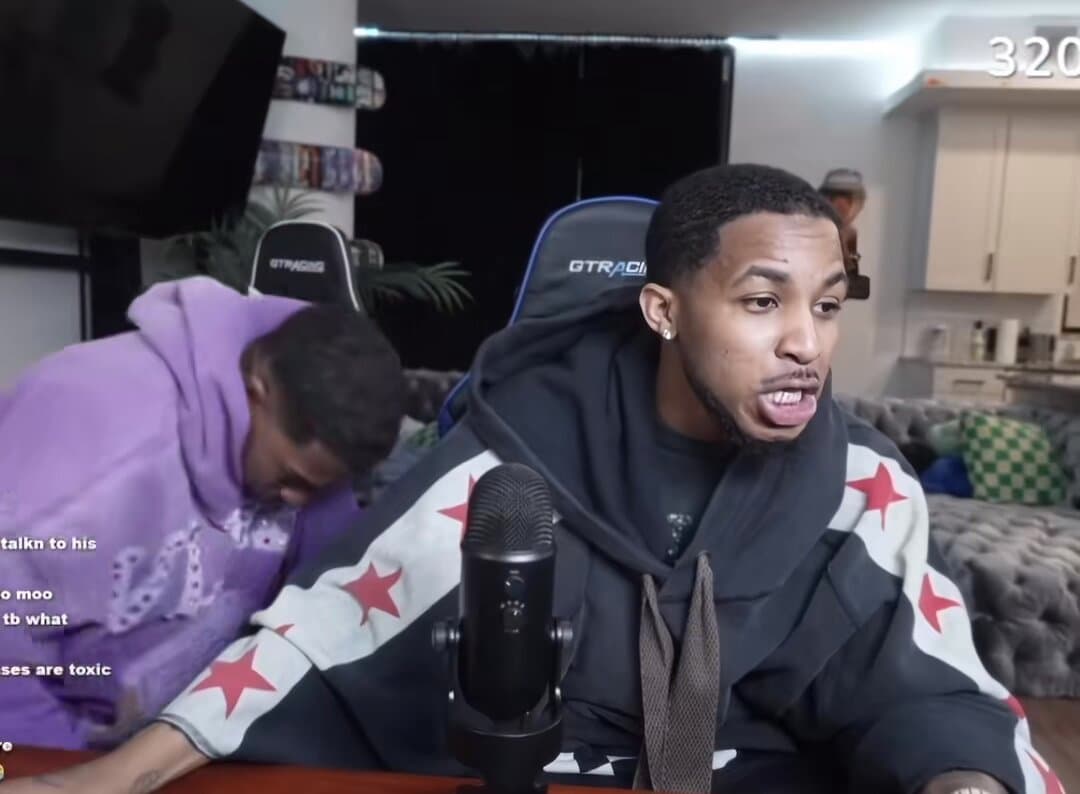
Industry sources confirm Content Creators Are Declaring War On A Controversial New Trend, according to ryan 🤿 (@scubaryan_) (on March 6, 2026).
Source: https://x.com/scubaryan_/status/2029775235071778959
The video was a standard, high-energy vlog segment, but the aftermath was anything but. Deshae Frost, a popular creator known for his pranks and lifestyle content, had just finished a collaborative shoot with fellow influencer DDG. Within hours, Frost discovered that DDG’s team had swiftly edited and posted dozens of short, isolated clips from their day together across multiple social media accounts, a practice known as clip-farming. Frost’s response was decisive: he reportedly used the platform’s copyright management tools to issue takedown notices, effectively wiping the content from DDG’s channels. This behind-the-scenes clash, first highlighted by user ryan 🤿 (@scubaryan_), has ignited a fierce industry conversation about the unspoken rules of collaborative content in the digital age.
Clip-farming, the strategy of slicing a single piece of long-form content into numerous short-form videos to maximize algorithmic reach and ad revenue, is standard operating procedure for many creator houses and media companies. The economics are clear: more clips mean more potential viral moments and more revenue streams. However, the Frost-DDG incident reveals the growing tension this practice creates in an ecosystem built on personal brands and partnerships. Industry insiders say the dispute isn’t about copyright law in a traditional sense, but about consent, credit, and the dilution of a creator’s narrative. When one party unilaterally controls the fragmentation of a shared experience, it can feel like a violation of creative equity and a potential misrepresentation of their personal brand.
The numbers tell a different story from the public camaraderie often displayed. For top-tier creators, a single viral short-form clip can generate thousands of dollars, and a library of such clips functions as a financial annuity. This incentivizes aggressive, rapid-fire posting schedules that can overlook collaborative nuances. What remains uncertain is whether formal agreements, akin to talent deals in traditional entertainment, will become commonplace for even casual-seeming influencer collaborations. The handshake deal is showing its strain.
What happens next will likely set a precedent. Other creators are now watching closely to see if this incident leads to a new norm of pre-shoot “clip rights” negotiations. Will collaborations now require contracts stipulating how and when derived content can be posted, and how revenue is shared? The takedown, while a blunt instrument, has served as a powerful signal that not all creators are willing to trade long-term partnership trust for short-term algorithmic gains. The industry is recalibrating, and the next collaborative video posted between major stars will be scrutinized not just for its content, but for the hidden business dynamics it represents.