DoorDash Unveils Revolutionary Robot That Brings Your Meals Directly Home
By 813 Staff
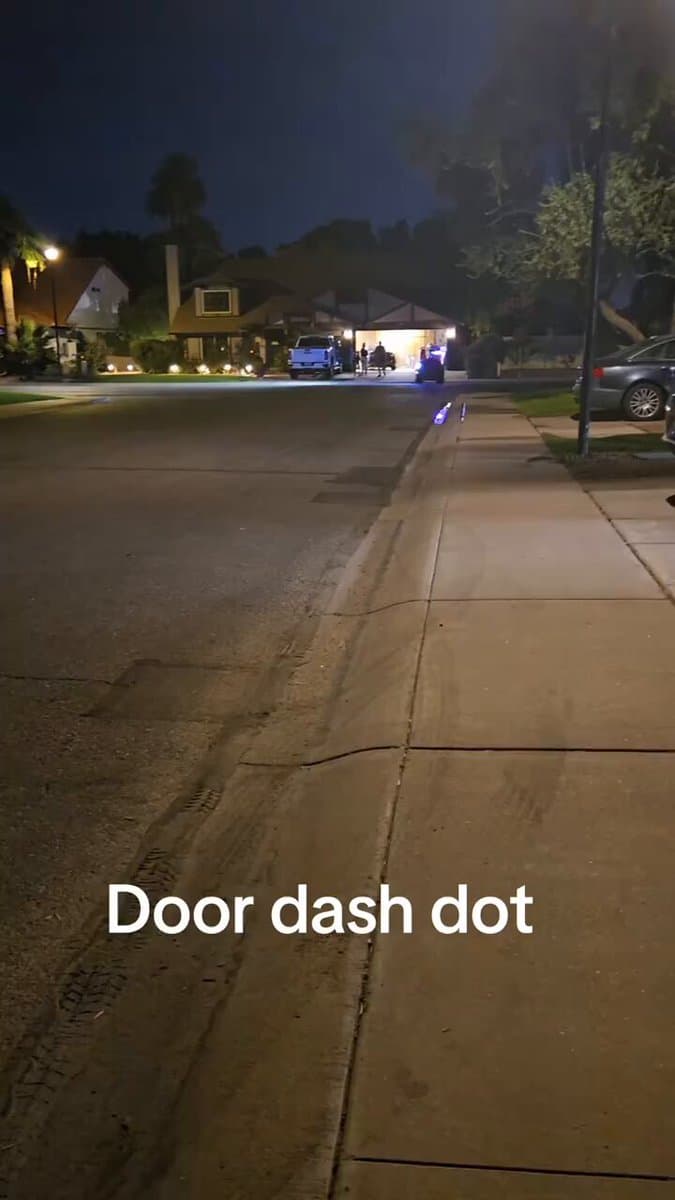
While most Americans were still ordering delivery the old-fashioned way through an app, DoorDash was quietly finalizing hardware partnerships for what industry insiders say represents the company's biggest operational pivot since launching restaurant delivery. The gig economy giant has now officially unveiled DoorDash Dot, an autonomous delivery robot designed to handle last-mile food delivery without human dashers, according to Rain Drops Media (@Raindropsmedia1), which broke the news on social media earlier this week.
Behind the scenes, this rollout has been in development far longer than the public realizes. DoorDash has been testing sidewalk delivery robotics in select markets for over two years, working through regulatory hurdles and liability frameworks that have kept similar initiatives from competitors stuck in pilot purgatory. The timing of this announcement suggests the company has cleared enough municipal approvals to justify a branded hardware launch, though specifics about which markets will see deployment first remain unconfirmed.
The numbers tell a different story than DoorDash's public messaging around driver support. With delivery labor costs representing the single largest expense in the company's operating model, autonomous delivery addresses Wall Street's persistent concerns about path to profitability. Industry insiders say the technology could reduce per-delivery costs by as much as forty percent in high-density urban environments where sidewalk robots can operate efficiently, though those projections assume regulatory approval and consumer acceptance that haven't fully materialized yet.
What remains uncertain is how this rollout affects DoorDash's existing workforce of over two million dashers. The company has historically framed automation as complementary rather than replacement technology, handling short-distance deliveries that human drivers find less economically viable. But talent negotiations and driver advocacy groups have grown increasingly vocal about automation's long-term implications for gig workers who depend on delivery income.
The competitive landscape adds urgency to DoorDash's hardware push. Amazon has been deploying Scout delivery robots since 2019, while Uber has partnerships with multiple autonomous vehicle companies. Starship Technologies already operates thousands of delivery robots globally, though primarily for grocery and retail rather than restaurant delivery. DoorDash entering this space with branded hardware suggests the company believes owning the technology rather than licensing it provides strategic advantage.
What happens next depends largely on municipal regulations and consumer reception. Initial deployment will likely focus on college campuses and master-planned communities where private property regulations simplify operations. Broader urban rollout remains months if not years away, contingent on city-by-city approvals that have proven unpredictable at best.
Source: https://x.com/Raindropsmedia1/status/2028633227368227176