Flight Reacts Stunned By Unthinkable NBA Scoring Explosion
By 813 Staff
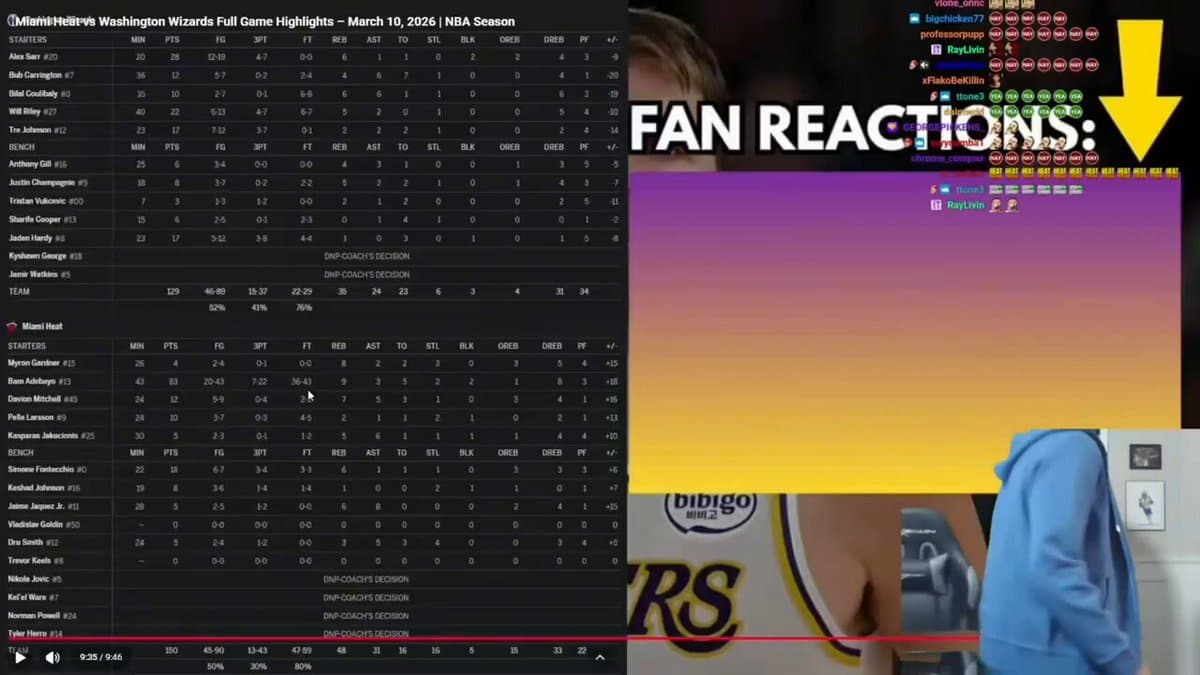
The digital content ecosystem is facing a sudden, seismic pressure test, and the epicenter is a single, unfinished tweet from a prominent creator. Industry insiders are scrambling this morning after a draft post from the popular reaction channel Flight Reacts was accidentally published, revealing a wildly fictional sports statistic. The incomplete tweet, captured by the user @scubaryan_, showed the channel in the process of crafting a reaction video title claiming NBA star Bam Adebayo scored 83 points in a game—a figure that is factually impossible, as the player’s career high is significantly lower. The slip, though brief, has ignited a fierce behind-the-scenes debate about the precarious balance between virality and credibility in the attention economy.
The incident, which occurred on March 11, exposes the often-unseen editorial process for major digital brands. The tweet suggests a video was being framed around an outrageous, AI-generated, or simply fabricated headline designed purely for click-through, with the “reaction” being the product. For entities like Flight Reacts, which have built empires on authentic-seeming responses, this undermines the core of their value proposition. The numbers tell a different story, however; channels utilizing such hyperbolic, false premises often see substantial short-term traffic spikes, creating a perverse incentive that many media analysts say is eroding trust platform-wide. This isn’t just about one mistaken post; it’s a window into the content assembly line where factual accuracy is frequently secondary to algorithmic capture.
The immediate consequence is a looming credibility crisis for the creator involved and heightened scrutiny for the genre. Audience backlash to perceived manipulation can be swift and severe, damaging long-term brand partnerships and subscriber loyalty. Furthermore, it places platforms in a difficult position, caught between enforcing policies on misinformation and supporting the very content engines that drive their engagement metrics. What happens next involves significant damage control. Expect Flight Reacts to issue a statement attributing the post to a drafting error or a misunderstood joke, though industry watchers will be monitoring whether the purported video is ever released or quietly shelved. The broader uncertainty is whether this public stumble will lead to any substantive change in how major reaction channels source and frame their content, or if the economic logic of clickbait remains too powerful to resist. For now, the episode serves as a stark, real-time case study in the risks of prioritizing speed and shock over substance.