Former Blizzard Director Discovers Terrifying Glitch In His Own Game
By 813 Staff
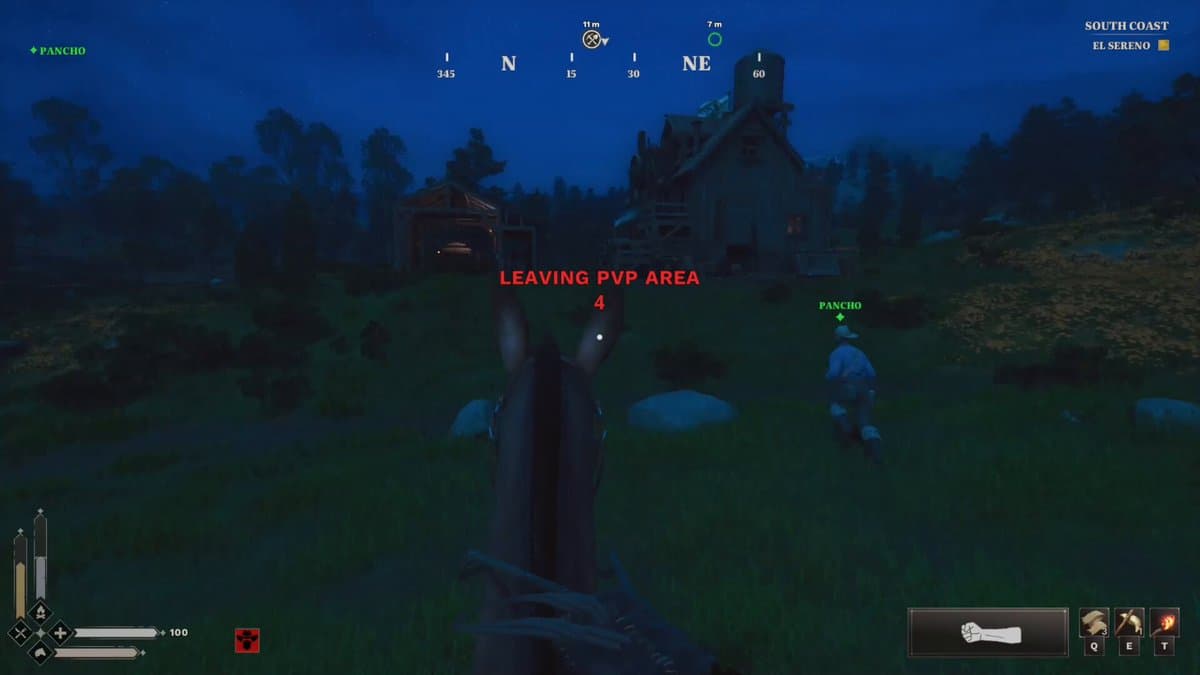
Industry insiders are quietly noting that a recent, seemingly minor technical glitch has become a powerful case study in the evolving relationship between creators and their increasingly complex digital tools. The incident, which unfolded on March 22, 2026, involved veteran game designer Jeff Kaplan, who was livestreaming development on his new, highly anticipated independent project. During a virtual walkthrough of a game environment, Kaplan encountered one of his animated characters frozen in a stark, default "T-pose"—a standard placeholder stance in animation pipelines—while the character was supposed to be actively roaming the world. The moment, captured and shared widely by gaming commentator Jake Lucky (@JakeSucky), resonated far beyond a simple laugh.
The numbers tell a different story from the clip's comedic surface. For developers and content creators watching, the "T-pose intruder" highlighted the fragile, often invisible scaffolding of modern game development. This wasn't just a bug; it was a visual manifestation of a broken logic tree or a missing animation state, a glimpse behind the curtain at the immense technical choreography required to make digital worlds feel alive. In an era where audiences demand ever-more seamless and immersive experiences, such a raw, unscripted peek at the underlying machinery is both humanizing and jarring. It underscores the pressure on solo creators and small teams, like Kaplan's, who are leveraging powerful, accessible game engines but must still navigate their profound complexity alone.
The relevance for the wider entertainment ecosystem is clear. As film, television, and interactive media converge on similar real-time production platforms, these behind-the-scenes stumbles are becoming more public. They shift the narrative around creative work, emphasizing the engineering prowess required alongside artistic vision. For Kaplan, the incident is unlikely to harm his project's prospects; if anything, it builds authentic engagement with a community that appreciates development transparency. However, it serves as a live demonstration of the risks inherent in live development showcases, where any session can unexpectedly turn into a public debugging log.
What happens next involves both damage control and opportunity. Kaplan’s team will, of course, diagnose and fix the animation graph error that caused the glitch. More strategically, industry observers expect creators to become more meticulous about staging their live development updates, potentially using more controlled builds to avoid similar exposures. Yet, there's an uncertain balance to strike. The authenticity of such unvarnished moments is precisely what builds dedicated fandoms. The lesson moving forward may be that in today's media landscape, even a developer’s troubleshooting session is part of the narrative, a subplot of creation that audiences are now primed to follow. The challenge for creators is managing that story without losing the genuine connection that makes it compelling in the first place.