Golf Tournament Horror As Gunfire Erupts Outside PGA Tour Event
By 813 Staff
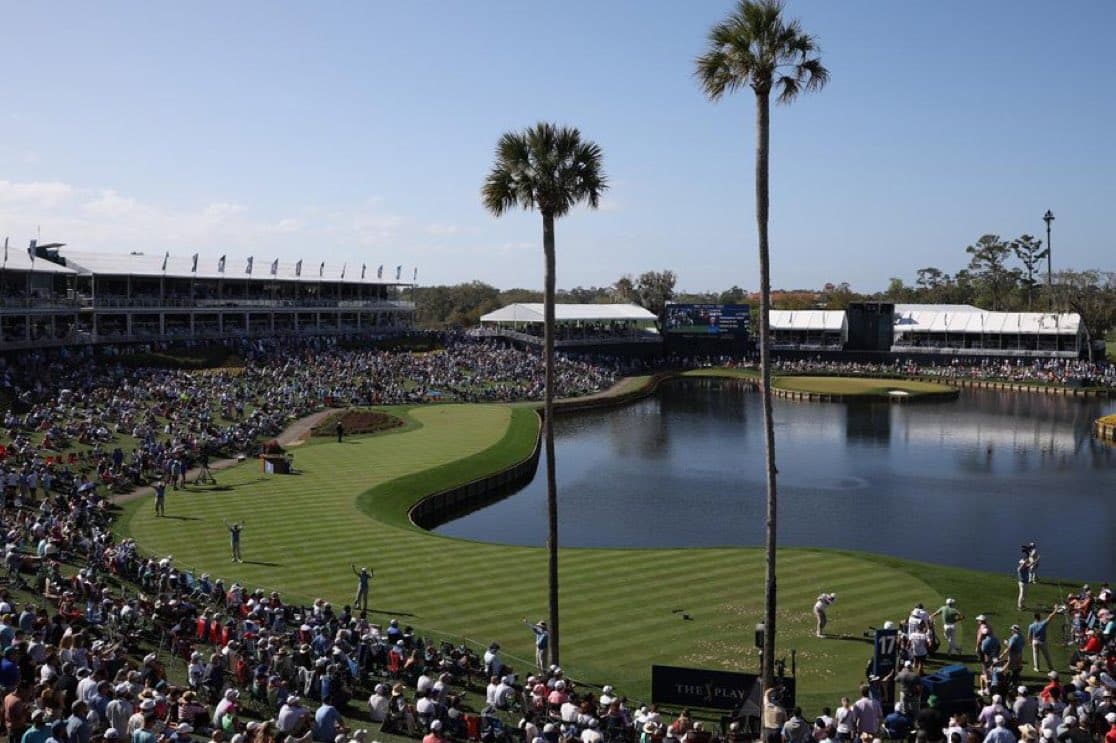
Industry insiders are privately expressing a profound sense of dread, not just for the tragic loss of life, but for the unsettling new normal it represents. The fatal shooting of two individuals outside the gates of The Players Championship in Ponte Vedra Beach, Florida, on March 14, has sent shockwaves through the intersecting worlds of professional sports and celebrity culture, raising urgent, behind-the-scenes conversations about security protocols at high-profile events. While the tournament itself, a premier PGA Tour event, continued after a brief lockdown, the numbers tell a different story about the incident's chilling effect. The gathering is a known nexus for A-list athletes, corporate titans, and entertainment figures, turning what should be a celebratory weekend into a stark reminder of vulnerability.
The initial report of the shooting was widely circulated by the account @DailyLoud, though specific details regarding the victims and the circumstances leading to the violence remain under active investigation by local law enforcement. What is confirmed is that the incident occurred near the main entrance, a heavily trafficked area, shortly before noon on Saturday. The swift response and containment prevented further chaos inside the tournament grounds, but the breach at the perimeter has become a focal point for security analysts hired by similar large-scale events. For the average fan or attendee, the immediate consequence is a tangible shift in atmosphere; the assumed safety bubble of a meticulously planned, ticketed event has been punctured.
The relevance for the entertainment industry is direct and multifaceted. Major sporting events like The Players Championship are not just competitions; they are critical, live-content hubs for television networks and streaming services, and they serve as de facto networking summits for deal-making. Talent agencies, which often have clients participating in or attending these tournaments, are now compelled to re-evaluate risk assessments for their stars at what were previously considered low-risk, non-contact events. The incident disrupts the carefully managed image of these gatherings as insulated playgrounds for the elite, potentially affecting future sponsorship integrations and celebrity participation if confidence in security wanes.
What happens next involves layers of procedural review and likely, industry-wide recalibration. The PGA Tour will conduct its own internal investigation alongside authorities, with findings influencing security planning for upcoming majors and tournaments. Insurance providers for such events are expected to scrutinize the details closely, which could lead to increased costs and more stringent requirements. For the public, the unresolved question is the motive, which investigators have not yet disclosed. The uncertainty extends to whether this was a targeted act or a random eruption of violence, a distinction that will heavily influence the long-term narrative and response. The entertainment and sports worlds are now watching, knowing that the outcome will set a precedent for how to safeguard the spectacle in an increasingly unpredictable environment.