Google's Secret AI Project Is Housed In A Mysterious New London Landmark
By 813 Staff
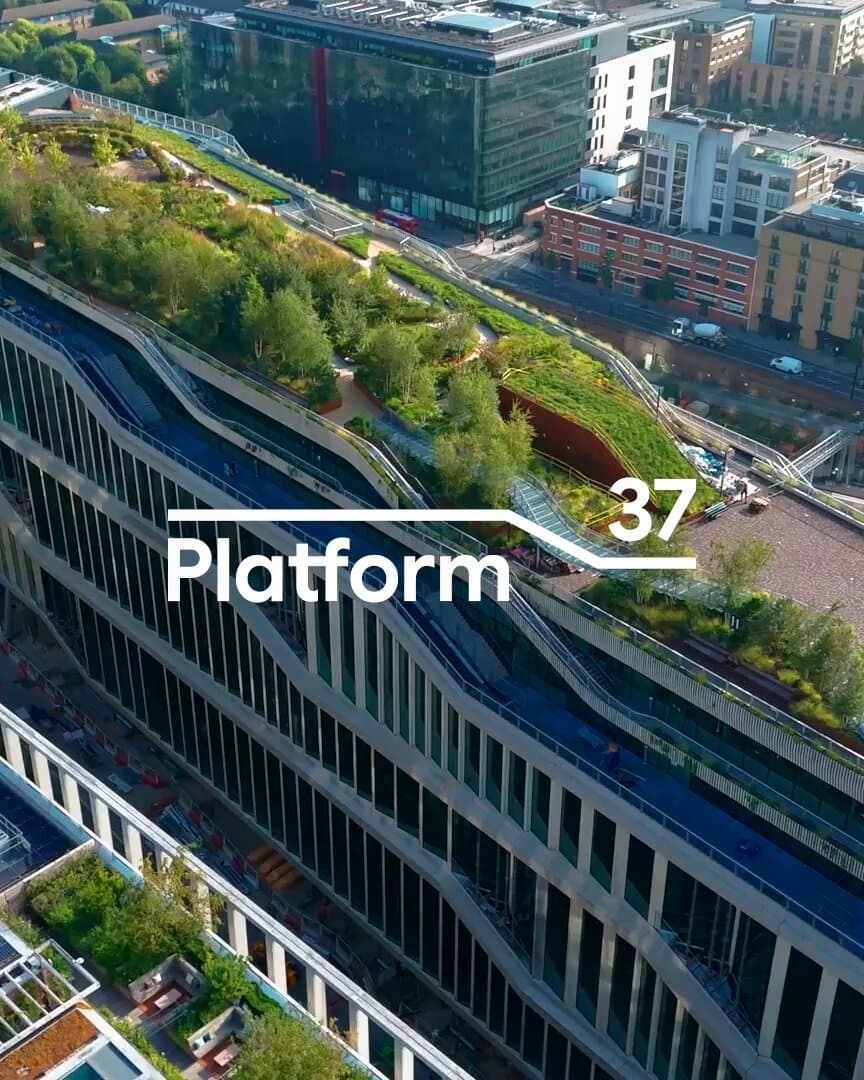
The name was already being dissected in internal Slack channels and private group chats hours before the public announcement. To the engineers and product leads who had seen early architectural plans, Google DeepMind’s decision to christen its new London headquarters “Platform” wasn’t just a real estate update—it was a mission statement, and a contentious one at that. Internal documents show the naming process involved heated debate, with some executives pushing for a more traditional, legacy-oriented title. The final choice, revealed publicly by @GoogleDeepMind on March 12, signals a decisive win for the faction viewing the building not as a mere office, but as the foundational engine for the company’s most ambitious integrations.
The new building, a significant expansion of DeepMind’s London presence, will house advanced research teams. However, engineers close to the project say its conceptual role extends far beyond physical walls. “Platform” is understood internally as the operational and philosophical core from which next-generation AI will be built and, more critically, deployed across the entire Alphabet ecosystem. This move concretizes the ongoing, often fraught, integration of DeepMind’s pure research with Google’s product infrastructure, a process that has been accelerating since the merger of the Brain and DeepMind teams. The name explicitly frames their output not as discrete breakthroughs like AlphaFold, but as a continuous, scalable service layer.
For the industry, this is a clear declaration of intent. It moves DeepMind’s narrative from publishing landmark papers to shipping foundational AI services that other Google divisions, and eventually external clients, will build upon. The focus shifts from winning academic accolades to owning the stack. This has significant implications for talent wars and competitive dynamics, positioning the London hub as a central node in the global AI platform race, directly challenging other “platform” ambitions from OpenAI and Meta. The rollout of this vision, however, has been anything but smooth, with known tensions between research purists and product-focused teams over resource allocation and project timelines.
What happens next is a practical test of this platform thesis. The physical move into the building will coincide with internal reorganizations aimed at breaking down remaining silos. The key uncertainty is whether this structural shift can maintain the frontier research culture that made DeepMind famous while meeting the relentless delivery pressures of a platform business. Observers will be watching for the first major “Platform”-born products to reach Google Cloud or consumer services, a transition that will determine if the name signifies a true architectural shift or remains an aspirational label. The building’s inauguration is expected within the year, but the real measure of “Platform” will be what it ships.
Source: https://x.com/GoogleDeepMind/status/2032036893076930902