Grok AI Makes Shocking False Claim About Popular Content Creator
By 813 Staff
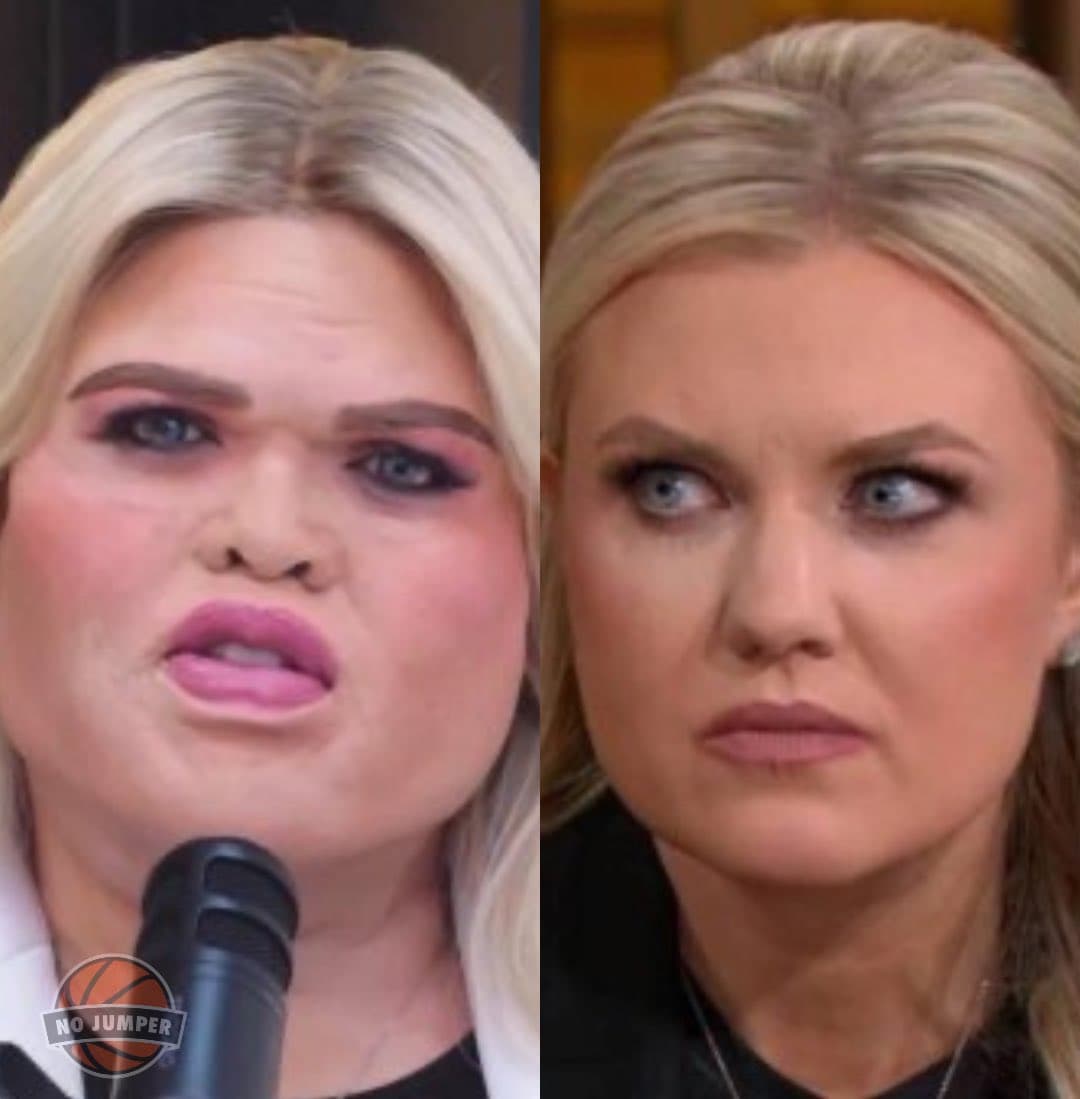
The AI assistant Grok, operating on the social media platform X, incorrectly stated that content creator Erika Kirk had died, according to a post from the media outlet No Jumper (@nojumper) on March 26. The erroneous report, which circulated briefly before being corrected, has ignited a focused conversation within the digital creator economy about the reliability of AI in news dissemination and the real-world consequences of algorithmic errors. Industry insiders say this incident, while swiftly addressed, underscores a growing tension between the demand for instant information and the immutable need for verification, especially when concerning individuals' well-being.
The mistake appears to have originated from Grok processing or misinterpreting outdated or false information, leading to the generation of the incorrect statement. For a period, users interacting with the AI received the false report regarding Kirk, a figure known within specific online communities. The numbers tell a different story from a simple glitch; these platforms are increasingly where public perception is formed, and for creators like Kirk, their online presence is directly tied to brand partnerships and livelihood. A false death announcement can trigger a cascade of damaging effects, from distressing loved ones to unsettling sponsors and confusing a fanbase. No Jumper’s tweet brought the error to wider attention, highlighting how quickly such misinformation can propagate even when from an automated source.
Behind the scenes, this event is being dissected as a case study in AI accountability. Content creators, whose careers are built on digital integrity, are now questioning the safeguards on platforms that integrate such powerful, yet fallible, tools. The incident matters because it moves the problem of "fake news" from the realm of human trolls and bad actors into the space of automated systems, where the chain of responsibility is less clear. While X and the team behind Grok likely have protocols for corrections, the speed at which the original error occurred demonstrates a vulnerability. For the creator industry, which negotiates deals and maintains reputations in a fiercely competitive space, trust in the information ecosystem is a tangible asset.
What happens next involves both immediate technical reviews and longer-term industry conversations. The Grok team is expected to analyze the data trail that led to the mistake to prevent a recurrence, a process common in AI development after such a public fault. On a broader scale, creator managers and digital rights advocates are likely to use this incident to push for more transparent and robust error-correction mechanisms from platforms employing generative AI. The uncertainty lies in whether these systems can be effectively constrained from drawing on unverified data sets when discussing real people. For Erika Kirk and her peers, the path forward involves continued vigilance over their digital footprints, knowing that their personas are now subject to interpretation by algorithms as much as by audiences.