Hip Hop Legends Are Crowned By A Surprising Modern Star
By 813 Staff
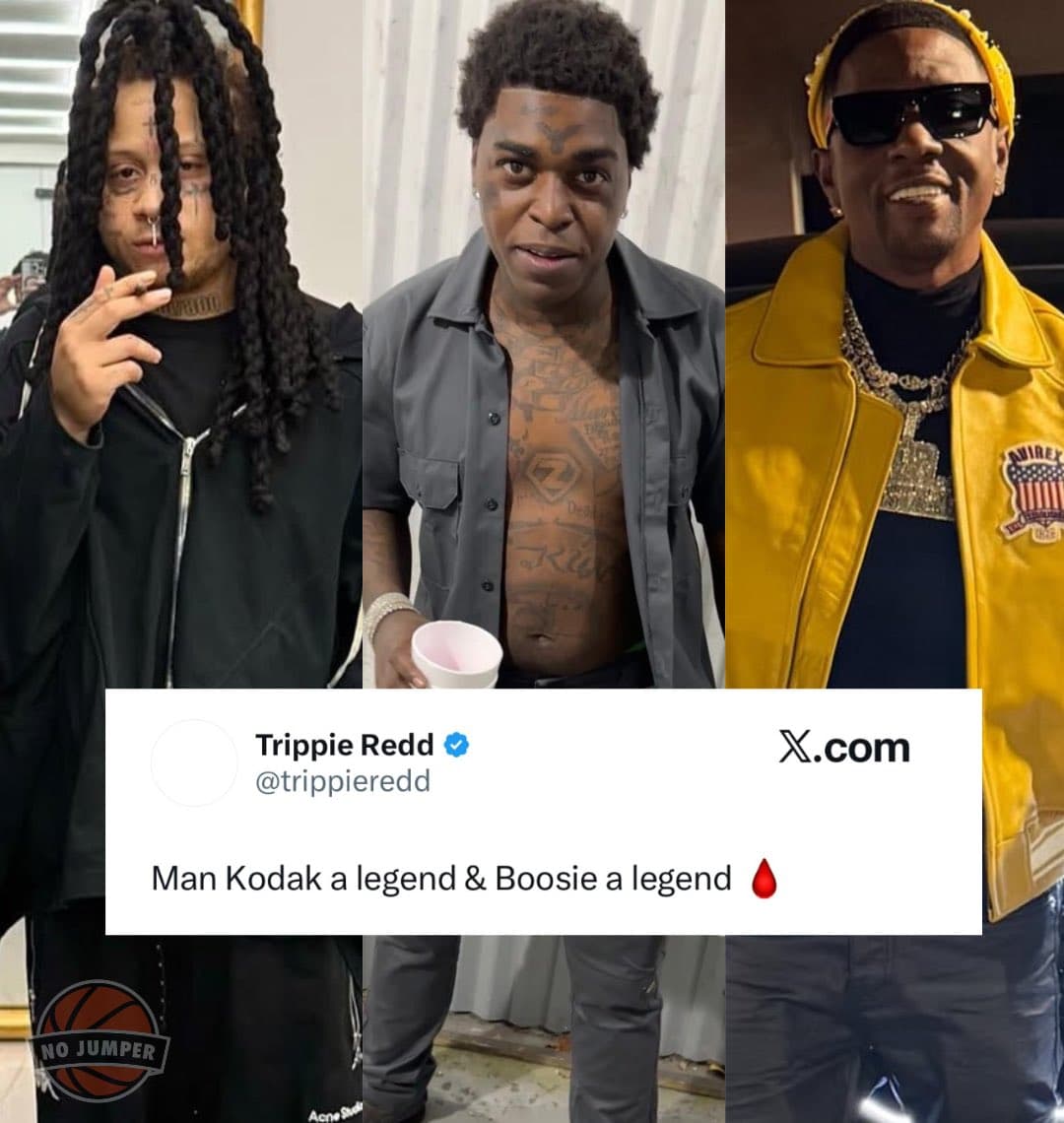
In the tightly curated world of hip-hop media, a casual shout-out on a popular interview platform can often reveal more about industry currents than a formal press release. Such was the case this week when rapper Trippie Redd, during a conversation on the No Jumper platform, offered a succinct but loaded assessment of his peers, anointing both Kodak Black and Boosie Badazz as "legends." The clip, posted by @nojumper on March 12, quickly circulated beyond its core audience, prompting a quiet but pointed conversation about legacy, influence, and the often-contentious path to cultural canonization.
The declaration, straightforward as it may seem, carries significant weight within the genre's ecosystem. Trippie Redd, representing a newer wave of melodic, genre-blending artists, is effectively bridging a generational divide. By bestowing the "legend" title on Kodak Black, a figure whose complex legal history and raw Florida sound defined a mid-2010s era, and Boosie Badazz, a Baton Rouge stalwart whose career spans decades and embodies a gritty, unfiltered authenticity, Trippie is engaging in a form of cultural diplomacy. It’s an acknowledgment that influence isn't solely measured by chart dominance or streaming numbers, but by lasting impact on the sound and attitude of the artists who follow.
For industry insiders, this kind of organic endorsement is often more valuable than any manufactured award show moment. It signals a consolidation of respect that can directly affect touring potential, catalog valuation, and future collaboration currency. Behind the scenes, the affirmation from a younger hitmaker like Trippie Redd helps solidify Kodak and Boosie's positions not as nostalgic acts, but as enduring pillars whose work continues to resonate. This is particularly relevant in an era where streaming algorithms constantly surface older music to new listeners, making these intergenerational co-signs crucial for sustained relevance.
What happens next is a matter of cultural osmosis rather than a scheduled event. The comment, now part of the digital record, will be referenced in future profiles, documentary interviews, and fan debates about hip-hop hierarchy. It adds a data point in the ongoing argument about what constitutes a legend in a fast-moving industry. While the official halls of fame may deliberate for years, the court of peer opinion, as demonstrated on platforms like No Jumper, often reaches its verdict much sooner. The lasting impact will be seen in whether this sentiment is echoed by other artists in Trippie’s cohort, further cementing a specific lineage of influence that prioritizes raw narrative and regional authenticity alongside commercial success.