IShowSpeed's Jaw Drops At NFL Star's Impossible Catch In Person
By 813 Staff
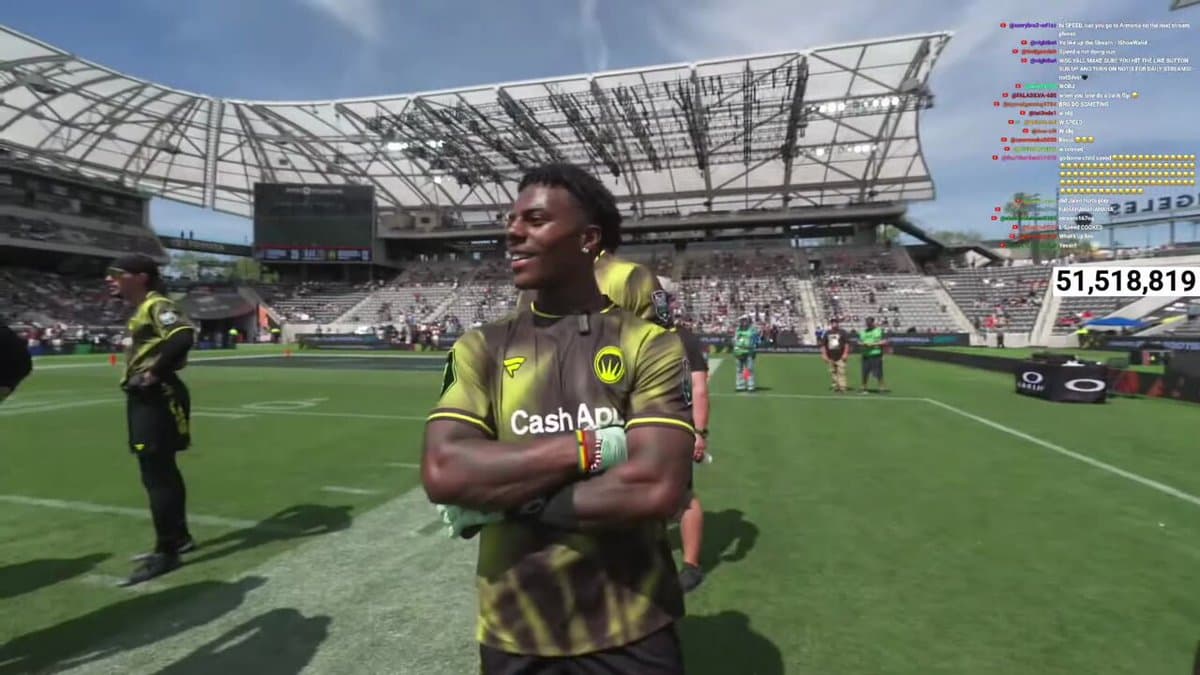
On a recent Tuesday evening in a Los Angeles studio, the digital and physical worlds of celebrity collided with the casual ease that now defines modern content creation. Streamer IShowSpeed, known for his high-energy, reaction-heavy broadcasts, was in the middle of a live session when a surprise guest, NFL star Odell Beckham Jr., executed a flawless, leaping one-handed catch—a clear callback to his legendary 2014 grab. The moment, captured and shared widely by the account @FearedBuck, sent Speed into a state of genuine, viral-worthy shock, his disbelief echoing through headphones and screens worldwide. For industry insiders, the clip is more than just another meme; it’s a textbook case of the new cross-platform playbook, where moments are engineered for maximum amplification across both social media and traditional sports highlights reels.
The collaboration, while seemingly spontaneous, bears the hallmarks of a carefully orchestrated brand synergy. Beckham, a veteran of the spotlight, understands the currency of iconic imagery, while Speed commands an audience that traditional sports networks actively court but often struggle to authentically engage. By inserting a piece of sports history into a creator’s live stream, both parties benefit from a content exchange that feels organic. The numbers tell a different story behind the scenes, where metrics like concurrent viewers, clip redistribution rates, and engagement spikes are tracked as diligently as any box office performance. This isn't just fun and games; it's a strategic alignment of fanbases, a soft launch for potential future partnerships in gaming, apparel, or media projects.
Why does this matter beyond a single viral clip? It underscores a fundamental shift in how cultural moments are generated and monetized. The pipeline no longer runs solely from professional sports broadcasts to social media compilations. It now flows in reverse, with live-streaming platforms becoming the primary event, and the resulting clip feeding back into the ecosystem of both ESPN and TikTok. For talent agencies, these collaborations are now a standard part of negotiation packages, with clauses covering live appearances, content rights, and revenue sharing from the resulting viral assets. The audience, particularly the coveted Gen Z and younger millennial demographic, expects this blending of realms, rewarding authenticity and surprise over polished, corporate-sanctioned interviews.
What happens next is likely already in motion. Sources close to both camps suggest discussions around more structured collaborations are common after a successful test like this. The uncertainty lies not in the *if* but the *how*. Will it be a branded content series, a joint venture in the gaming space, or simply an open invitation for more drop-in moments? The success of the clip, as highlighted by @FearedBuck, provides a compelling data point. Expect talent managers and brand strategists to dissect this event for months, using it as a blueprint for how to engineer the next big, "spontaneous" moment that everyone is talking about the next morning.