Japan Store Fights Pokemon Scalpers With Hilarious Card Purchase Test
By 813 Staff
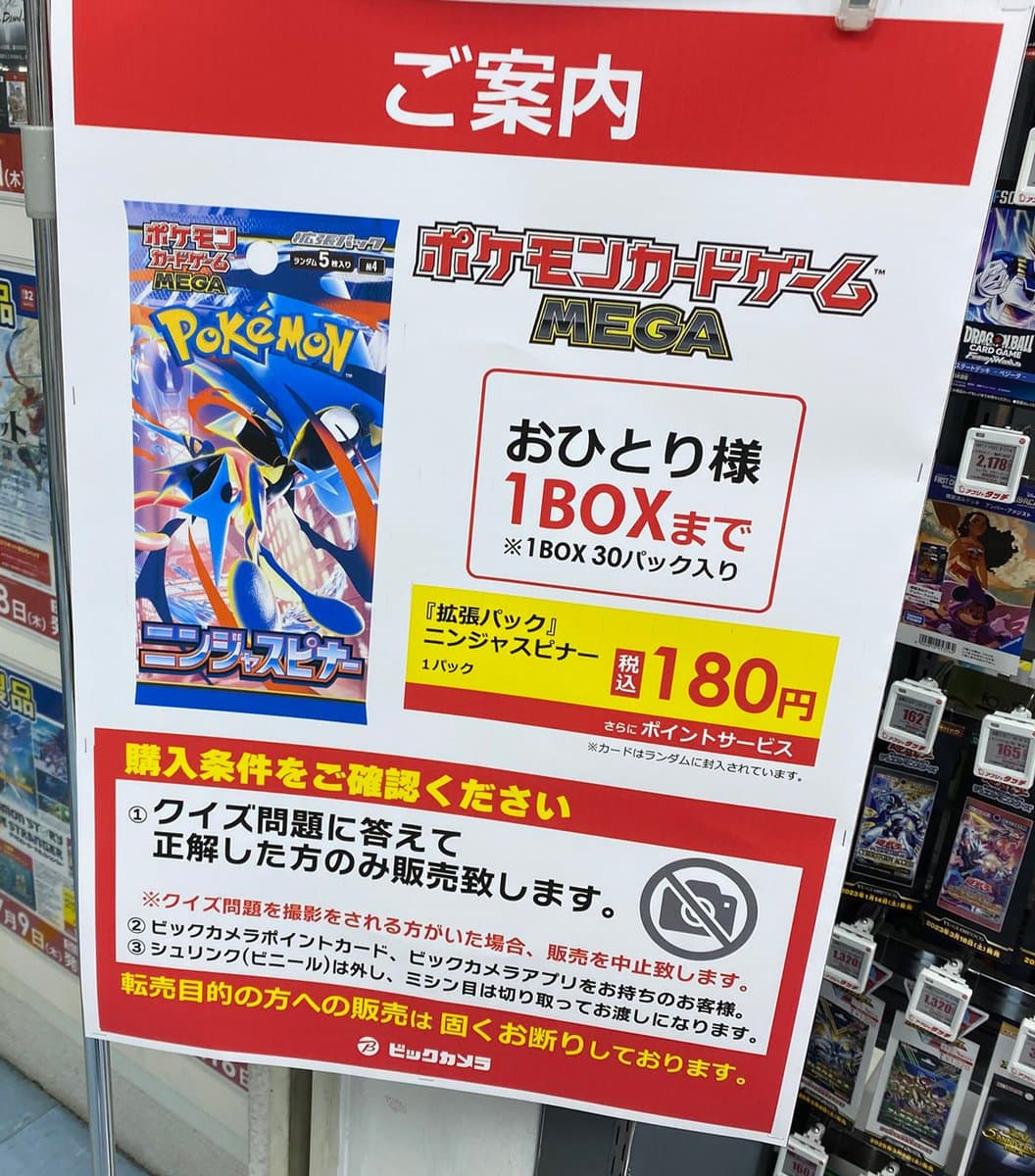
The entertainment world is reacting to Japan Store Fights Pokemon Scalpers With Hilarious Card Purchase Test, according to Dexerto (@Dexerto) (on May 2, 2026).
Source: https://x.com/Dexerto/status/2050545859582885895
The stakes are simple: for a Japanese card shop battling Pokemon scalpers, the next collector they serve could be a genuine fan or a reseller gaming the system. The store’s gamble is that one unusual customer requirement will separate the speculators from the spenders. According to a report by Dexerto (@Dexerto) dated May 2, 2026, a retail location in Japan has implemented a new policy that forces customers to complete an in-store task before they can purchase sought-after Pokemon trading cards—essentially making the buying process itself a barrier to quick-flipping. Industry insiders say the move is a creative, if desperate, attempt to combat the persistent plague of scalping that has dogged the Pokemon Trading Card Game market since the pandemic-era frenzy.
Behind the scenes, the specific store requires anyone hoping to buy high-demand packs or boxes to first take a photograph or video—a small, time-consuming hurdle that resellers, who rely on speed and volume, are unwilling to clear. For legitimate collectors and players, it’s a minor inconvenience; for scalpers operating with multiple accounts and pre-loaded bots, it represents lost margin. The numbers tell a different story than the store’s hopeful optics: while this tactic might thin out the most aggressive resellers on a given launch day, it does little to address the structural scarcity caused by production bottlenecks and an insatiable secondary market. Pokemon Company International has publicly stated it is printing cards at full capacity, but supply still lags behind demand for high-value sets.
Why this matters extends beyond one store in Japan. Scalping has hollowed out the retail experience for fans worldwide, driving prices for sealed product and chase cards into territory that locks out children and casual players. If this photo-based verification method proves effective—if it deters enough resellers to leave product on shelves—other stores could adopt similar systems. What happens next remains uncertain. The store’s isolation suggests it is acting without corporate coordination, and it is unclear whether the policy will hold under repeat pressure from determined scalpers or whether it will simply shift the problem to neighboring shops. For now, the photo is the price of admission, and the true test will come with the next hot drop.