Lil Wayne's Prison Release Changed Hip Hop History Forever
By 813 Staff
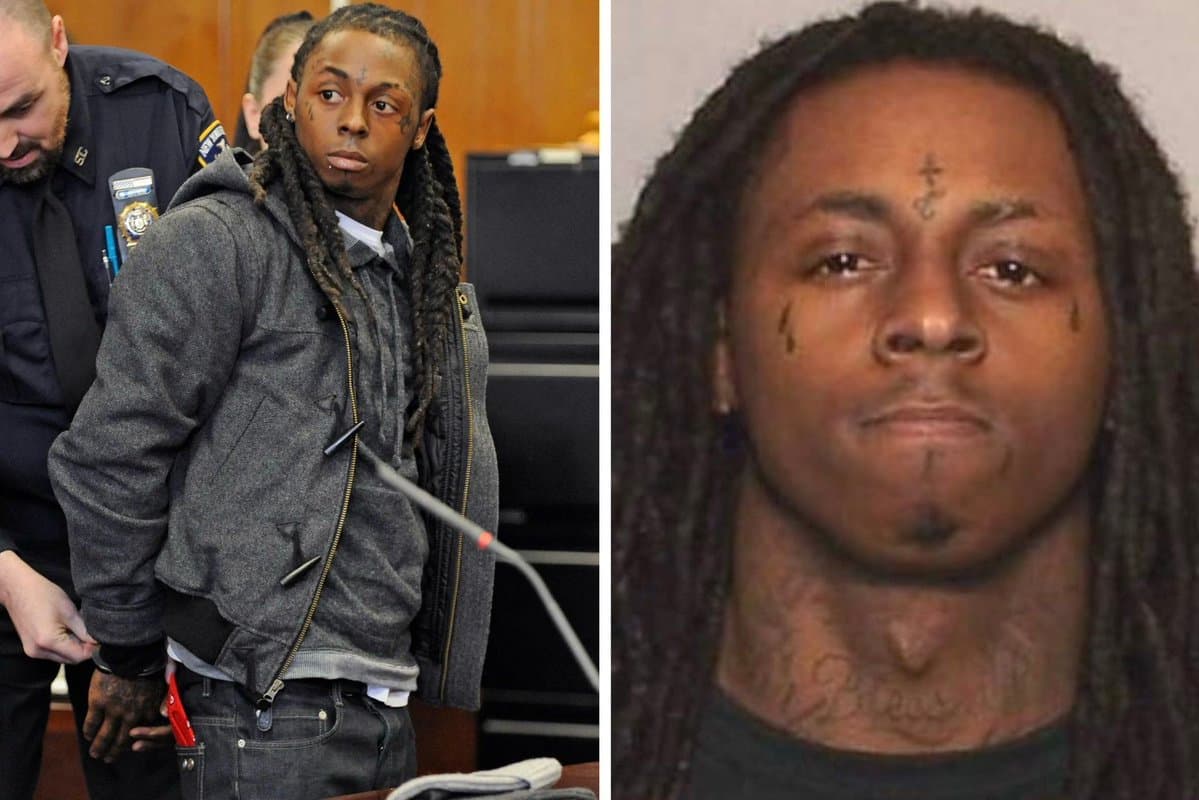
Fifteen years ago today, Lil Wayne walked out of Rikers Island a free man, a moment that rippled through the music industry and beyond. The anniversary, noted in a post by the account Wild Media (@WildMediaOnly), marks a pivotal inflection point not just for the artist, but for the entire commercial and cultural machinery of hip-hop. For industry insiders, the date is a stark reminder of how perilously close the genre came to losing one of its most prolific and influential figures at the peak of his powers. His incarceration on a weapons charge in 2010 halted a monumental run, freezing a career that had redefined rap stardom and label economics through his groundbreaking Young Money imprint.
Behind the scenes, the eight-month stint created a vacuum. The numbers tell a different story from the silence; Wayne’s absence coincided with a frantic reshuffling of release schedules and a heightened sense of uncertainty among artists and executives tied to his empire. His label’s roster, including a young Drake and Nicki Minaj, was forced to accelerate its own path to the forefront. The period underscored the fragility of even the most dominant careers when faced with the justice system, a reality that has since informed countless contract clauses and crisis management plans for major talent. It transformed Wayne from merely a superstar into a symbol of resilience, a narrative that would fuel his comeback and permanently shape his legacy.
The relevance of this anniversary extends beyond nostalgia. In today’s landscape, where an artist’s catalog is their most valuable asset and streaming algorithms favor constant engagement, such a forced hiatus would present even more complex challenges. The direct financial impact of lost touring, endorsements, and recording time is now magnified by the metrics-driven nature of the business. For the current generation of creators, Wayne’s experience serves as a case study in navigating both legal peril and career rehabilitation, a lesson in maintaining cultural relevance from behind bars and upon return.
What happens next is a continuation of that cemented legacy. Lil Wayne’s post-Rikers career, including Grammy wins, landmark albums, and his status as a hip-hop elder, is the definitive epilogue. The uncertainty at the time of his release—whether he could reclaim his throne—has long been answered. Today, the focus for the industry is on the preservation and monetization of his profound catalog, while for fans, the date remains a reminder of a reprieve that allowed one of rap’s great voices to continue shaping its sound. The career that followed stands as one of the most successful second acts in modern music history.
Source: https://x.com/WildMediaOnly/status/2030288618552467602