NATO Secretly Approves The iPad For Top Secret Military Missions
By 813 Staff
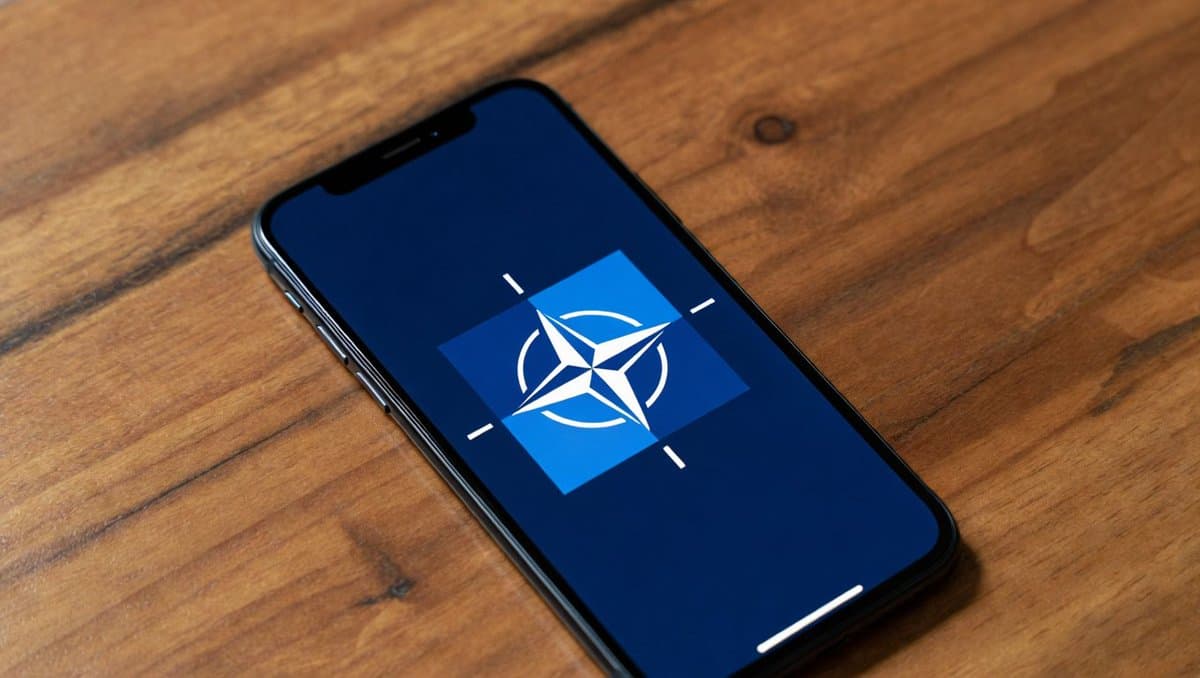
The real story isn't that a consumer tablet can now handle classified data; it’s that the world’s most powerful military alliance has effectively conceded that its own bespoke hardware development cycles are too slow and too expensive to keep pace. NATO’s recent certification of a specific, modified iPad to handle information up to the classified level, first reported by @TheHackersNews, is less a product endorsement and more a damning indictment of the Pentagon’s traditional procurement pipeline. Insiders have long grumbled about the clunky, years-old dedicated devices issued for secure work, which are often generations behind the consumer tech in an officer’s pocket. This move is a stark, official acknowledgment of that failure.
The approval, confirmed in early March 2026, relies on a suite of hardware and software modifications from a third-party defense contractor to create a secured, controlled environment on the commercial Apple device. Engineers close to the project say the core challenge was building a verifiable hardware root of trust and ensuring the device’s radios could be completely and reliably disabled in sensitive settings, a task far more complex on a mass-market product designed for constant connectivity. While the certified configuration meets stringent NATO security standards, internal documents show the rollout to select command elements has been anything but smooth, with familiar complaints about user interface glitches and interoperability with legacy NATO systems.
This matters because it signals a tectonic shift in how defense and intelligence communities will equip their personnel. The economic and logistical appeal is undeniable: leveraging Apple’s relentless annual upgrade cycle and massive manufacturing scale is far cheaper than funding a custom secure tablet program from scratch. For the thousands of diplomats, analysts, and staff officers across the alliance, it promises a drastic improvement in user experience and capability, potentially boosting productivity and speeding up decision loops. However, it also introduces new supply chain and dependency risks, tethering a critical national security function to the commercial roadmap and geopolitical decisions of a single California-based corporation.
What happens next is a cautious, phased deployment. The initial batch of devices is earmarked for non-tactical, staff-level use within secure facilities. The major uncertainty lies in scalability and adversarial response. Security researchers will undoubtedly turn their focus to these modified iPads, probing for any flaw in the isolation layers. Furthermore, the success or failure of this program will determine whether other platforms, perhaps based on Android or future form factors, receive similar certifications. If this experiment is deemed a success, it will permanently end the era of the government-only secure gadget, folding national defense deeper into the consumer tech ecosystem.
Source: https://x.com/TheHackersNews/status/2030186369319043110


