NBA Star's Shocking DUI Arrest Caught On Police Body Camera
By 813 Staff
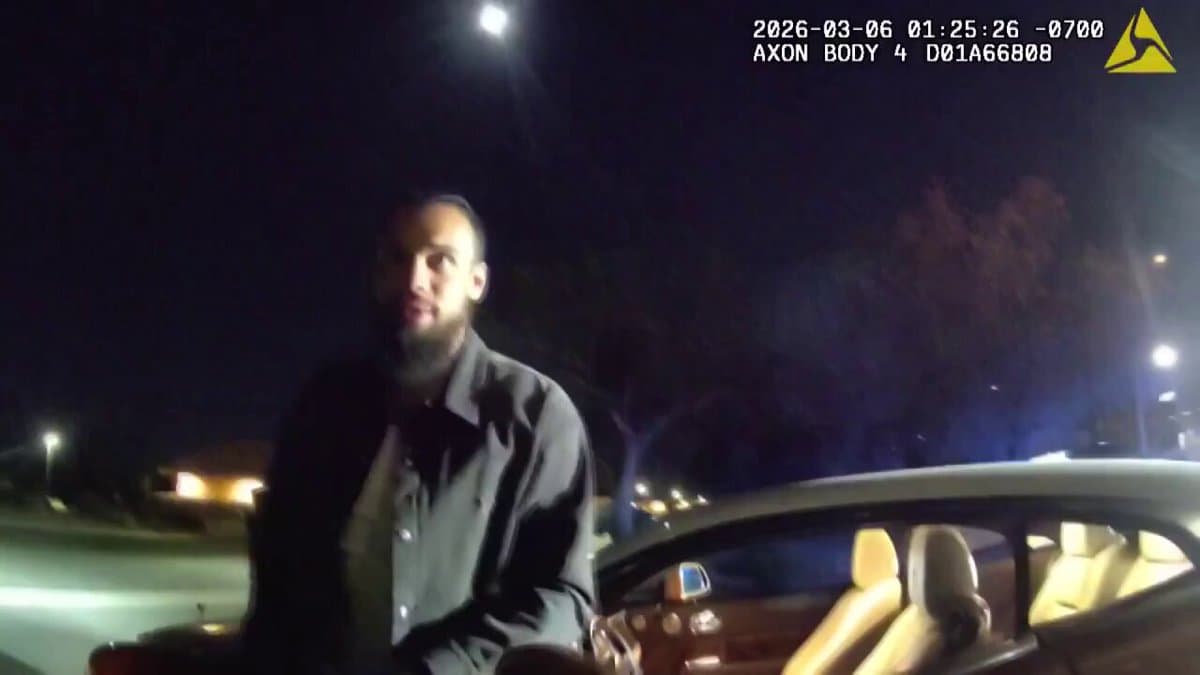
The release of bodycam footage showing the DUI arrest of NBA star Dillon Brooks has swiftly moved from a sports news item to a full-blown entertainment and brand management crisis. The video, which surfaced on the social media account Daily Loud (@DailyLoud) on March 7, 2026, depicts the Houston Rockets forward’s interaction with law enforcement during a late-night traffic stop. While the legal process is just beginning, the immediate fallout is playing out in the court of public opinion and, more consequentially, in the offices of corporate partners and league officials.
For an athlete of Brooks’ profile, the incident transcends a simple legal misstep. Industry insiders say the real story is not just the potential suspension from the league, which is governed by a collective bargaining agreement, but the swift recalculation of his marketability. Brooks has cultivated a specific, confrontational on-court persona that has translated into endorsement deals and a recognizable brand. This off-court incident, however, introduces a dissonance that marketers are ill-equipped to manage. Behind the scenes, representatives for his endorsement partners are undoubtedly reviewing morality clauses in their contracts, weighing public sentiment against the value of the association. The clock is ticking on what are often termed “crisis management holds,” where brands pause active campaigns featuring an athlete while they assess the damage.
The narrative here is familiar, but the numbers tell a different story in the social media age. The rapid dissemination of the raw, unedited footage by accounts like @DailyLoud bypasses traditional PR filters and controlled statements, making the standard playbook of a prepared apology less effective. The visual evidence creates a direct, visceral connection with the public that a press release cannot easily undo. This shifts the immediate strategy from containment to authentic reputation repair, a far more complex and lengthy endeavor. The athlete’s team must now navigate not only legal counsel but also communications specialists who can craft a response that acknowledges the severity of the footage itself.
What happens next involves parallel tracks. The legal case will proceed through the judicial system, likely resulting in fines, potential license suspension, and a mandated program. The NBA will conduct its own review, possibly leading to a suspension without pay. The most uncertain timeline, however, belongs to his commercial portfolio. Some partners may stand by him with a period of quiet distancing, while others could initiate termination proceedings. The long-term consequence hinges on Brooks’s actions following the incident; a genuine, sustained effort at accountability could eventually rehabilitate his image, but the footage now exists as a permanent part of his digital footprint. For a professional athlete whose next contract negotiation is always on the horizon, this episode represents a tangible, and potentially costly, inflection point.