Nvidia Reveals Shocking AI That Will Change Everything By 2026
By 813 Staff
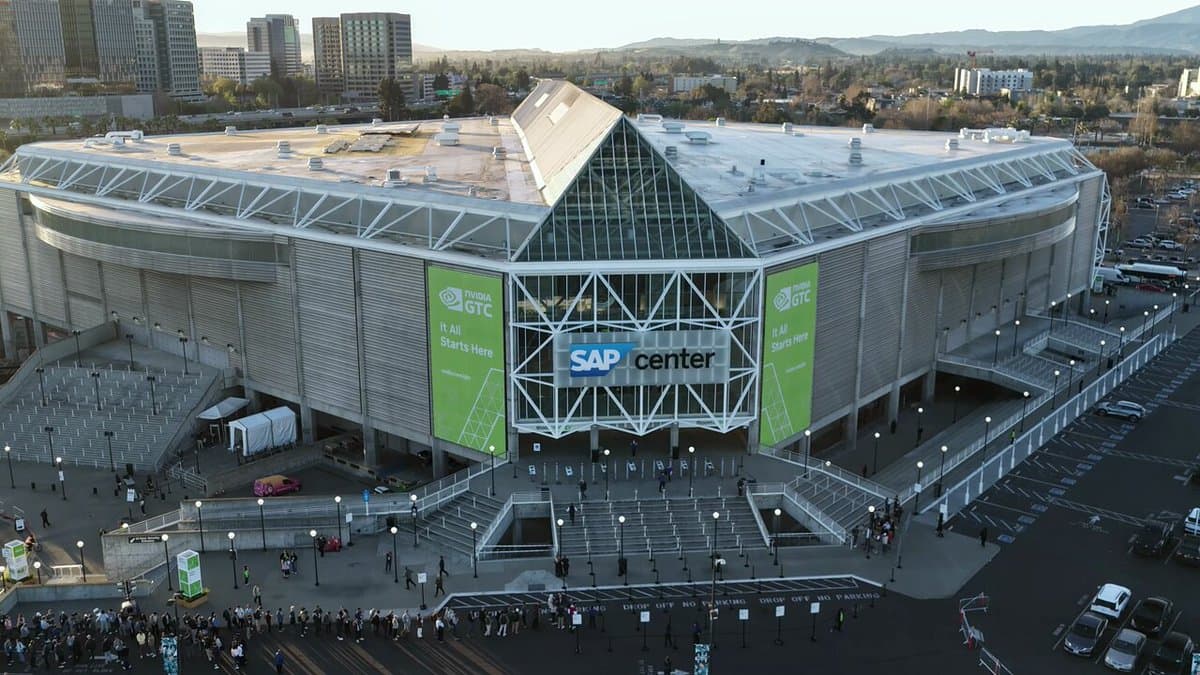
The scramble is now on for the rest of the industry to decode and respond to the architectural roadmap NVIDIA laid bare at its GTC 2026 conference. While the public keynote showcased the expected leaps in Blackwell platform adoption and AI inference performance, internal documents and briefings to key partners reveal a more aggressive, systems-level pivot that will force competitors and customers to re-evaluate their own data center blueprints for the next half-decade. The message from the Jensen Huang keynote, underscored in technical deep-dives, was clear: the era of the standalone GPU is over, and NVIDIA intends to own the entire silicon stack.
Engineers close to the project say the most significant announcements were not the headline chip specs, but the details of the new NVLink 6.0 switch and the deeply integrated, custom CPU cores designed solely to manage GPU clusters. This move effectively turns a rack of GPUs into a single, monolithic compute entity, bypassing traditional CPU and networking bottlenecks that have begun to hamper the largest AI training runs. For hyperscalers like AWS, Google, and Microsoft, this presents both an opportunity and a threat; performance per watt on specific workloads is projected to jump dramatically, but dependency on NVIDIA’s proprietary interconnect fabric increases exponentially. As one attendee from a major cloud provider noted under condition of anonymity, "They're not selling chips anymore. They're selling sealed environments."
The rollout of this fully integrated stack, however, has been anything but smooth for early access partners. Leaked deployment guides from late 2025 indicate significant software toolchain instability and a steep learning curve for data center teams accustomed to more modular infrastructure. The new architecture requires a ground-up rewrite of many cluster management and orchestration layers, a costly and time-intensive process that some partners were reportedly caught off-guard by. This friction is the primary opening for competitors like AMD and a consortium of custom silicon efforts, but they are now years behind in building a comparable, cohesive ecosystem.
What happens next is a period of forced alignment. Major AI labs and cloud providers will now conduct intense internal cost-benefit analyses, weighing the raw performance lift against increased vendor lock-in. The decisions made in the next two fiscal quarters will define the physical topology of AI compute for the remainder of the decade. For NVIDIA (@nvidia), the challenge shifts from technological demonstration to flawless execution. The company must now prove that its integrated vision can be deployed reliably at planetary scale, without the stumbles that plagued previous architectural transitions. Any significant delay or reliability issue will be seized upon by a market desperate for a second source. The technological lead is undeniable, but the real battle for data center dominance, as detailed in those GTC 2026 briefings, is just entering its most complex phase.