The Golden Era Of Beauty Queens Faces A Modern Social Media Challenge
By 813 Staff
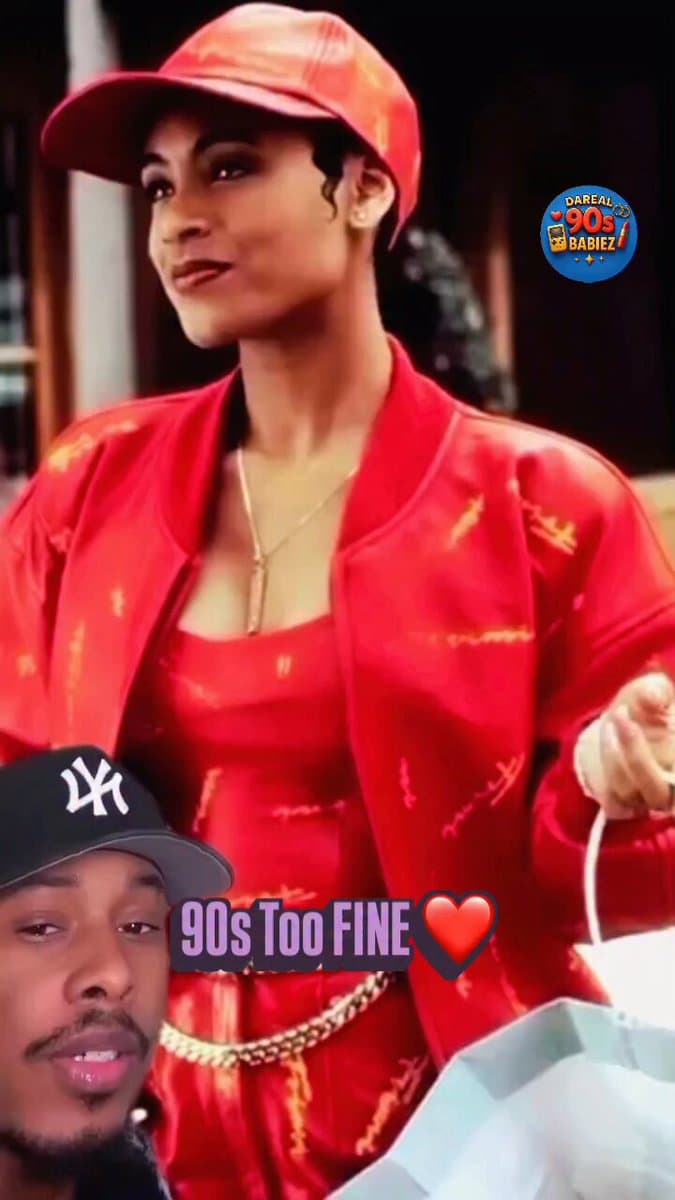
Behind the scenes, the real currency in today's digital entertainment economy isn't just views or likes—it's the potent, often divisive, power of nostalgia leveraged against contemporary trends. This dynamic was laid bare this week when a social media post from the account Rain Drops Media (@Raindropsmedia1) ignited a sprawling, and revealing, cross-generational debate. The post, which invoked an "undefeated" era of 1990s female celebrities in contrast to modern beauty standards epitomized by procedures like the Brazilian Butt Lift (BBL), quickly transcended a simple meme. It became a flashpoint, exposing the fault lines between cultural memory, aesthetic evolution, and the relentless engine of content creation.
The tweet, shared on March 9, 2026, did not simply praise one era over another. Industry insiders note it functioned as a catalyst, unleashing a torrent of user-generated content across TikTok, Instagram, and X. Creators on all sides mobilized, producing elaborate video montages comparing the stylized, often magazine-cover glamour of 90s superstars with the curated, surgically-enhanced aesthetics popularized by many of today's influencers and reality stars. The numbers tell a different story from a simple binary argument, however. Analytics firms report a simultaneous surge in searches for 90s fashion icons and for contemporary cosmetic procedures, suggesting a complex public engagement that is both reverent and aspirational.
Why does this matter beyond a fleeting online spat? For talent managers and brand strategists, these cyclical debates are a direct pipeline to audience sentiment. They reveal what aesthetics are currently being commodified and which are being nostalgically repackaged. The conversation, while framed as a critique of "today's BBL" culture, is fundamentally about authenticity and agency—two qualities audiences feel increasingly disconnected from in a filtered, algorithm-driven landscape. The resonance of the 90s, in this context, is less about specific features and more about a perceived, and perhaps romanticized, era of individuality before the homogenizing pressures of social media trends.
What happens next is already unfolding. Content creators and media companies are rapidly formalizing this organic debate into structured programming. Expect to see panel discussions on talk shows, deep-dive video essays from pop culture commentators, and branded content from fashion labels reviving 90s silhouettes. The lifecycle of such a viral moment is predictable: from social spark to mainstream media coverage to commercial exploitation. The uncertainty lies in whether this incident will prompt a more substantive industry conversation about diversity of representation and the pressures on performers, past and present, or if it will simply be another content cycle consumed and forgotten. For now, the engagement metrics continue to climb, proving once again that in the attention economy, comparing decades is a reliably profitable venture.
Source: https://x.com/Raindropsmedia1/status/2031156935135760444