The NBA Star Whose Joke Accidentally Shut Down The World
By 813 Staff
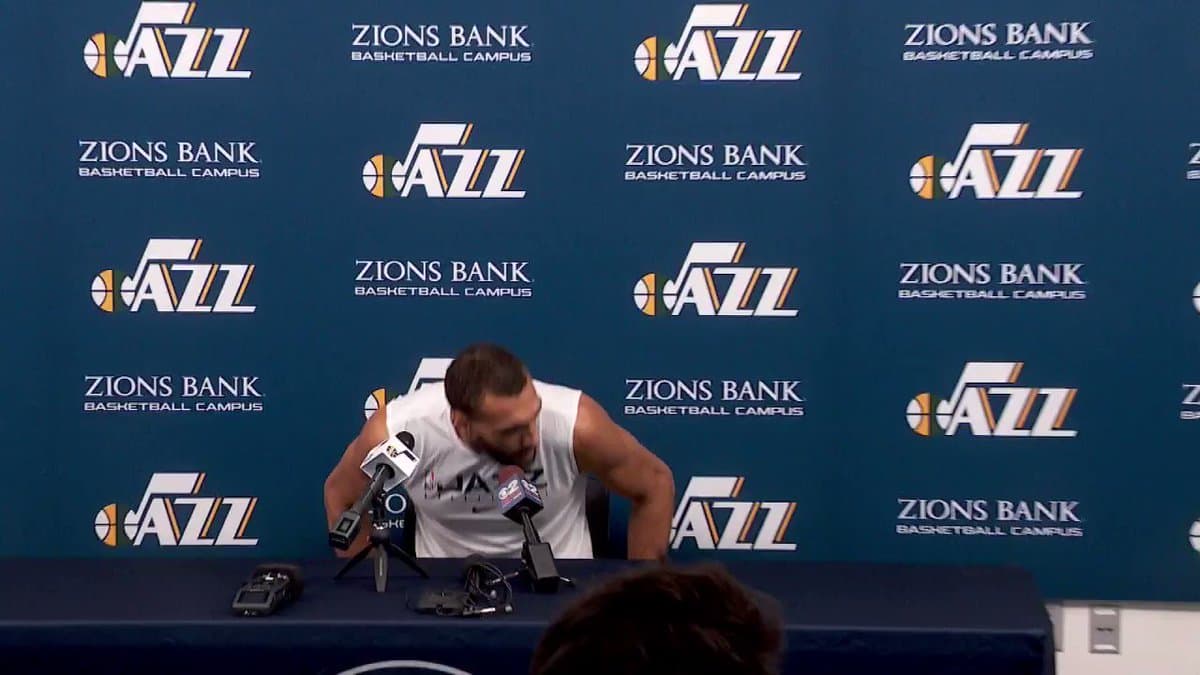
On a quiet Tuesday in March 2026, a simple social media post from the account FearBuck (@FearedBuck) sent a ripple through the digital content community. It marked six years to the day since the NBA’s Rudy Gobert infamously touched every microphone at a press conference, an act that immediately preceded the league’s season suspension and became a global symbol of the pandemic’s sudden arrival. The tweet’s resonance, however, wasn’t about basketball nostalgia. For industry insiders, it underscored a pivotal, and often overlooked, inflection point in the creator economy: the moment when real-world events of such magnitude become permanent, algorithmically-recurring content.
The anniversary post functions as a cultural timestamp, a piece of evergreen engagement bait that reliably surfaces each March. Content creators and media archivists understand the power of these dates. The Gobert moment, captured and endlessly repurposed into supercuts, reaction videos, and explainers, transcended sports to become a staple of digital storytelling. It represents a specific category of content—real-life drama with high stakes and clear narrative—that platforms perpetually reward. Behind the scenes, savvy creators calendar these anniversaries, preparing retrospectives and hot-takes well in advance, knowing the collective memory of the internet will drive traffic. The numbers tell a different story than mere reminiscence; they show predictable spikes in search volume and video views tied to these somber milestones.
Its relevance today is multifaceted. For audiences, it’s a visceral reminder of a shared global experience, often processed through the lens of content. For creators and media companies, it’s a case study in content lifecycle management, demonstrating how a single, unplanned event can fuel years of material. The tweet from @FearedBuck, devoid of commentary, acted as a catalyst for this reflection, prompting a wave of quote-tweets and threads dissecting everything from public health communication to the ethics of memeifying a crisis. It highlights how the digital landscape packages history into consumable, annual units.
What happens next is already in motion. The date is now permanently etched into the content calendar. Expect to see, every March, a new wave of packaged documentaries from streaming platforms, reflective Twitter threads from journalists who were there, and analytical videos from creators dissecting the media fallout. The uncertainty lies not in whether the moment will be remembered, but in how the narrative will evolve with more distance. Will future retrospectives focus more on the social impact or the media transformation it accelerated? The anniversary ensures the conversation continues, proving that in today’s media ecosystem, history is not just recorded—it is scheduled, optimized, and republished.