This AI Tool Just Made Your Computer Obsolete Overnight
By 813 Staff
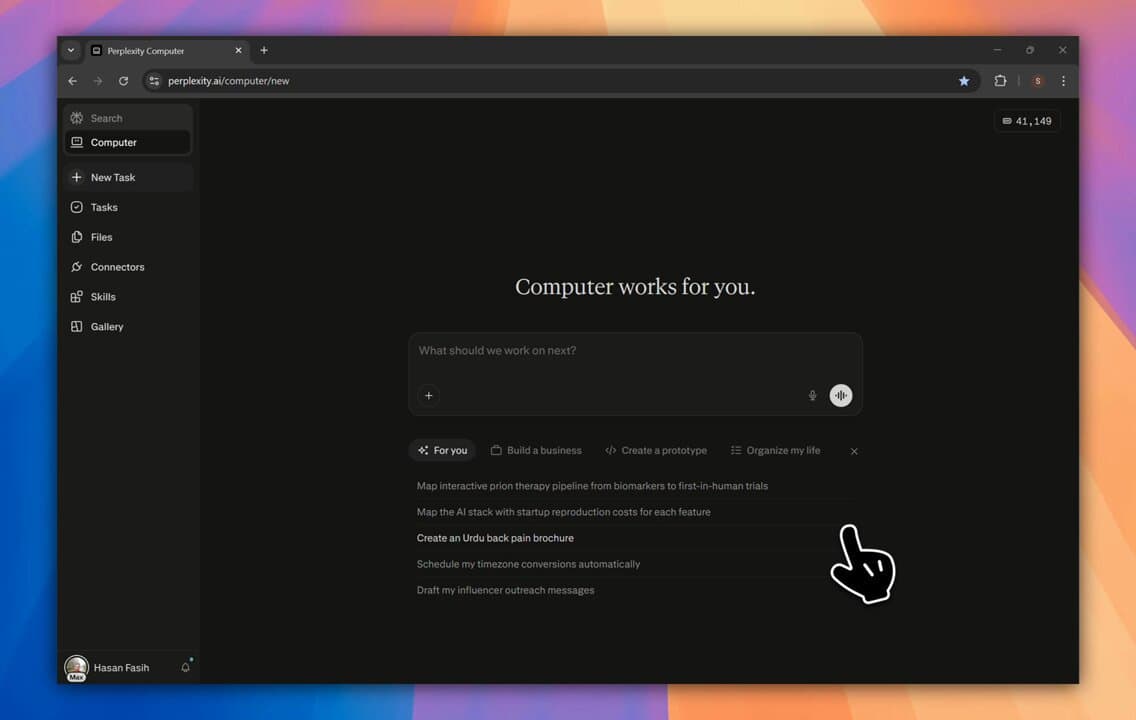
On a quiet Tuesday morning in a San Francisco home office, a subtle but significant shift occurred for a select group of testers. Erina, who runs the AI Tools & News account @AITechEchoes, posted a simple but telling note on March 16th: she had been testing Perplexity Computer for days, and “something clicked.” For those tracking the AI search company’s ambitious pivot, that quiet click echoed like a thunderclap. It signals that Perplexity’s move from a conversational search engine to a proactive, agentic desktop assistant is moving from internal demo to tangible user experience, and the early feedback suggests they may be onto something.
Perplexity Computer, first teased earlier this year, represents the company’s most aggressive play yet to move beyond the browser. The product is designed to function as an always-available AI layer across a user’s entire digital workspace, capable of taking actions based on natural language commands—editing documents, analyzing spreadsheets, managing files, and retrieving information across applications. Internal documents show the project, codenamed “Horizon,” has been a top priority, pulling resources from core search to build what CEO Aravind Srinivas has called “a true reasoning engine for your computer.” The goal is to leapfrog existing AI assistants by deeply integrating with the operating system to handle complex, multi-step tasks without constant user prompting.
Why this matters is the potential shift in daily workflow it represents. If Perplexity Computer works as intended, it moves AI from a tool you query to a collaborator that observes and acts. The impact on productivity software, data analysis, and even creative work could be substantial, positioning Perplexity directly against not just other AI startups but entrenched platform players like Microsoft with its Copilot suite. However, engineers close to the project say the rollout has been anything but smooth, with early builds grappling with permissions, security protocols, and the inherent unpredictability of letting an AI agent operate across sensitive user data. The technical and privacy hurdles are formidable.
What happens next is a carefully staged beta. Perplexity is expected to expand its tester pool significantly in the coming weeks, with a public waitlist likely by late spring. The major uncertainty is whether the “click” moment Erina described will scale. Can Perplexity ensure reliable, secure, and truly useful agentic behavior for thousands of diverse workflows, or will the complexity of real-world computer use reveal fatal flaws? The company’s future hinges on the answer, as it bets its brand on becoming an indispensable layer of the desktop itself. The industry is watching, knowing that if Perplexity stumbles, giants are waiting to step in, but if it succeeds, it could redefine our fundamental relationship with our machines.
Source: https://x.com/AITechEchoes/status/2033584605421617444