This Game Forces You To Betray Your Friends In The Trenches
By 813 Staff
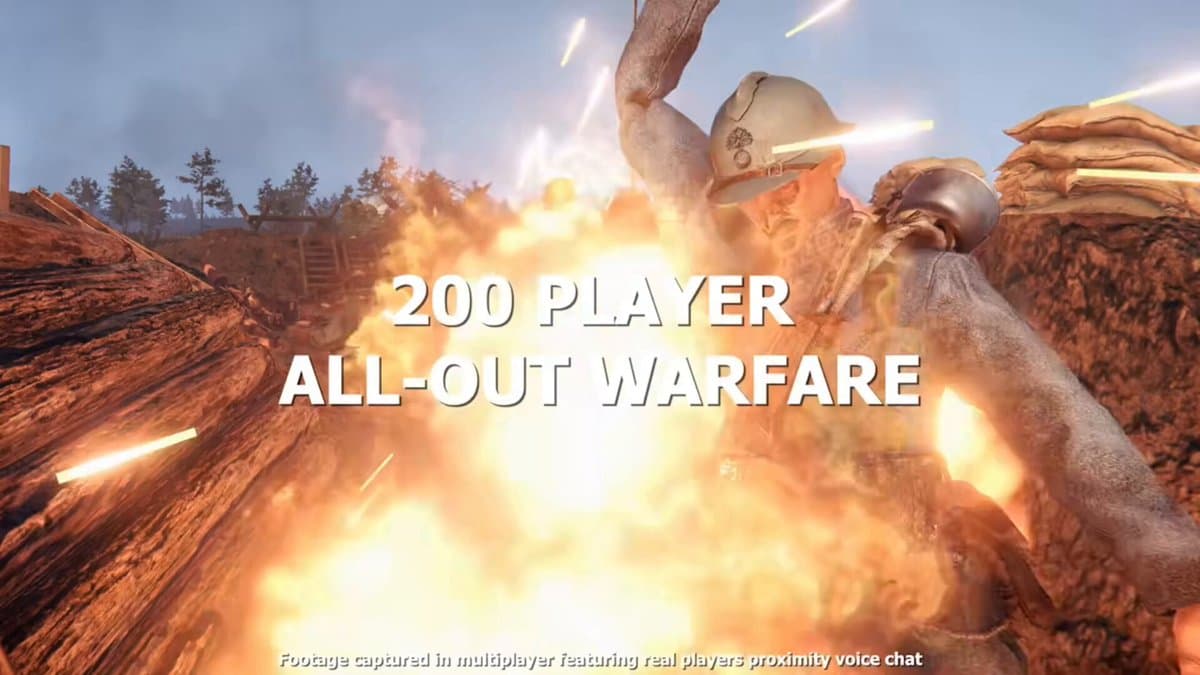
The gaming industry expected the next major reveal from a top creator to be a slick, futuristic shooter or a sprawling fantasy RPG. Instead, on March 7, 2026, popular gaming commentator Jake Lucky 🔜 GDC (@JakeSucky) surfaced a project that has insiders buzzing for its starkly different, and politically charged, premise. The game in question is a World War I action title with a core mechanic that turns historical alliances into a player-driven choice: you must choose your allies. This isn't merely picking a faction at the start of a match; early descriptions suggest a narrative structure where pivotal battles and political outcomes shift based on dynamic, in-moment decisions about whom to support, upending the fixed historical record we know.
Behind the scenes, the reaction from developers and publishers has been one of intrigued caution. The numbers tell a different story for historical settings versus pure fantasy, often showing a narrower commercial ceiling. Yet the specific "choose your allies" hook, blending action with alternate history, is being viewed as a potential genre-bender that could attract audiences beyond traditional military game enthusiasts. Industry insiders say the concept speaks to a growing appetite for games with consequential moral and strategic weight, a trend seen in the success of narrative-driven titles from certain indie studios. The developer remains officially unconfirmed, though speculation points to a mid-sized studio known for deep systemic gameplay, possibly partnering with a larger entity for distribution.
For players, the relevance is clear: it proposes a World War I experience not as a linear trench-run, but as a complex web of fragile diplomacy and sudden betrayal, where Italy might not join the Entente or a key offensive fails due to withheld support. The consequence is a game that could serve as both entertainment and a provocative discussion piece about the instability of alliances, a theme with undeniable modern resonance. The core challenge will be balancing thrilling action with the nuanced political simulation such a premise demands.
What happens next hinges on an official announcement. The timeline suggested by Jake Lucky's tweet, which surfaced what appears to be a brief promotional clip, typically indicates a reveal is imminent, likely targeting a major industry event like the upcoming Game Developers Conference. What remains uncertain is the game's scale, its release window, and how deeply the branching alliance system will be woven into both its story and its multiplayer components, if any. The industry is now watching closely, waiting to see if this bold premise can translate into a coherent and compelling playable experience, or if it will remain a fascinating "what if" on the drawing board.