Top Streamer Declares War On A Universal Gaming Feature
By 813 Staff
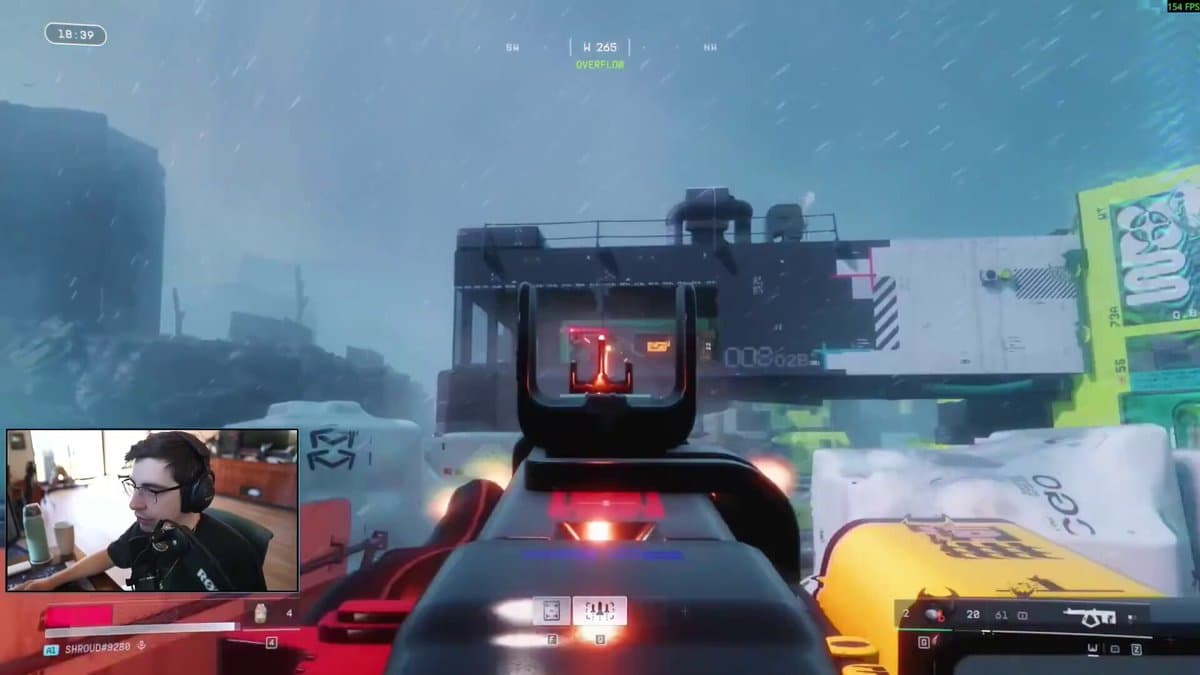
The debate around aim assist in competitive video games is often a quiet, technical murmur among developers and pro players. But when a top-tier streamer like Michael "Shroud" Grzesiek declares the feature should be "deleted from earth," as reported by industry commentator Jake Lucky 🔜 GDC (@JakeSucky), the conversation detonates into a mainstream culture war. The comment, made during a March 6th broadcast, wasn't a measured critique of balancing but a full-throated condemnation that has reignited one of gaming's most persistent and divisive arguments. For industry insiders, it’s a flare signaling the growing tension between accessibility and competitive integrity, a battle fought in code but with millions of dollars and legacies on the line.
Shroud, a former professional Counter-Strike player renowned for his precision, represents the purist camp: skill should be raw, unassisted, and purely a product of human dexterity. Aim assist, a common feature in console shooters and increasingly prevalent in cross-platform titles, uses software to subtly magnetize a player’s reticle toward targets, compensating for the inherent imprecision of thumbsticks. Proponents argue it’s essential for parity and inclusion, allowing controller players to compete in the same arena as mouse-and-keyboard users. Behind the scenes, developers have long wrestled with this equation, tweaking algorithms in a constant, fragile attempt to keep all segments of their massive player bases engaged and spending.
The numbers, however, tell a different story. The explosive growth of cross-play has made this technical balancing act a commercial imperative. Publishers cannot afford to alienate entire platforms, and the data likely shows that strong engagement from controller users directly correlates with healthier in-game economies. Yet, when a figure of Shroud’s stature amplifies the grievance, it pressures studios in a very public way. His sentiment echoes a significant portion of the high-skill PC community, who view aim assist not as a balancing tool but as an unfair "soft aimbot" that can outperform human reaction times at close quarters. This creates a reputational risk for major titles; being labeled as "casual" or "uncompetitive" can slowly erode a game’s elite player base, which in turn influences its viewership on streaming platforms.
What happens next is a waiting game. The developer of the specific game Shroud was playing during his comment has not issued a statement, and it is unclear if his remarks were targeted at one title or the mechanic universally. Historically, studios address these flare-ups with silence or carefully worded patch notes detailing subtle adjustments to "target acquisition." The real consequence is the continued hardening of battle lines within the community. As cross-platform play becomes the industry standard, this debate is no longer a niche issue but a fundamental design and philosophy challenge. The next major title launch will inevitably face scrutiny over its approach, with the shadow of Shroud’s "delete it" ultimatum looming over the prerelease discussion. The industry’s solution, or lack thereof, will resonate far beyond a single patch note.