Top U.S. Cyber Agency Desperate For Elite Hackers In Emergency Hiring Blitz
By 813 Staff
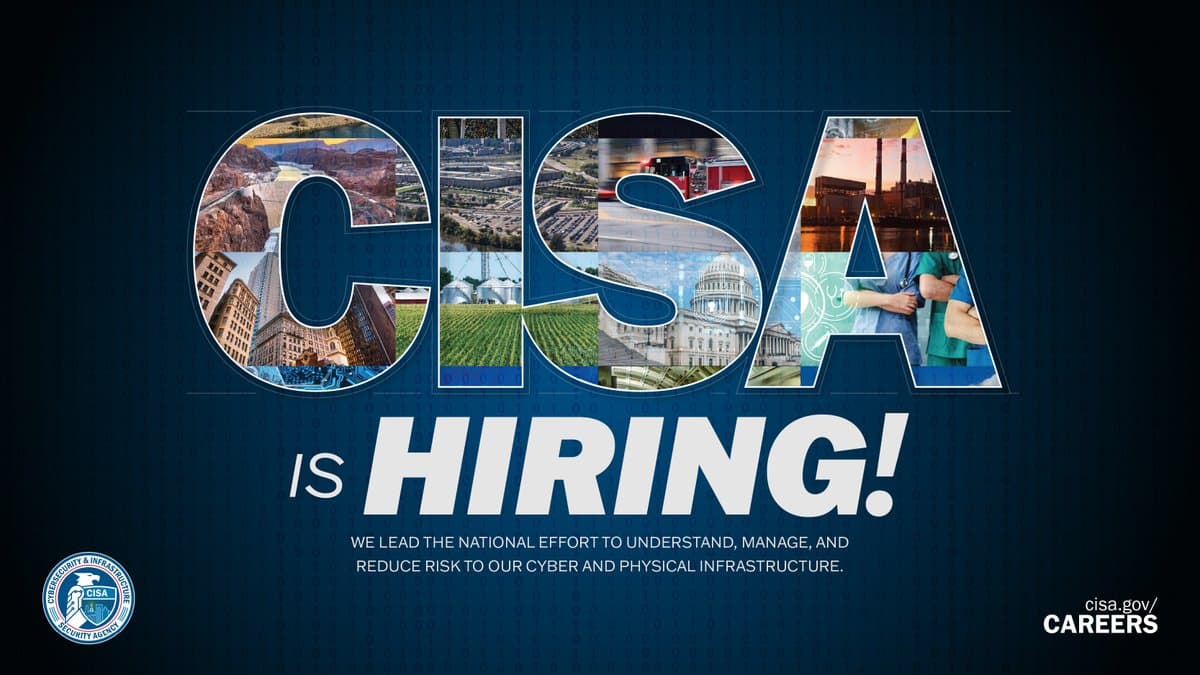
The nation’s top civilian cybersecurity agency is losing a war for talent, and internal documents show the damage is spreading faster than public messaging suggests. Last week, the Cybersecurity and Infrastructure Security Agency (@CISAgov) posted a routine call for applicants—“We are looking for the best of the best”—but engineers close to the project say that sunny slogan masks a deepening crisis. What’s at risk is not just CISA’s ability to staff its own operations, but the credibility of the federal government’s entire approach to defending critical infrastructure. With private-sector rivals offering total compensation packages that can double or triple a GS-15 salary, the agency is hemorrhaging senior analysts, threat hunters, and incident responders at an alarming rate.
The rollout of CISA’s new Joint Cyber Defense Collaborative, intended to serve as a real-time fusion hub between government and industry, has been anything but smooth. Multiple sources within the agency confirm that planned headcount expansions for the initiative are falling short by nearly 40 percent. Key positions—including the lead for industrial control system threat analysis—remain unfilled months after recruitment began. The tweet from July 14, 2026, positions the agency as an employer of choice, but off-the-record conversations with current and former staff paint a different picture: top talent is leaving for cloud security firms, financial sector SOCs, and major consulting houses, lured by equity packages and remote flexibility that CISA cannot match.
Why this matters directly to Morning Brief readers is simple. When CISA cannot hire, private companies bear the consequences. The agency is responsible for issuing binding operational directives to federal agencies and voluntary guidance to the private sector. If its analysts are stretched thin, vulnerability disclosures slow down, incident response deployments take longer, and the quality of threat intelligence degrades. For CISOs and security leaders who rely on CISA’s alerts and shared data, a hollowed-out agency means blind spots in their own defenses.
What happens next remains uncertain. Congress has debated special pay authorities for cyber personnel, but legislation has stalled. CISA is now exploring direct-hire authorities and more aggressive use of the Intergovernmental Personnel Act to bring in rotating private-sector experts. But until pay parity becomes law, the gap between the tweet and reality will only widen. For now, the best and brightest may not be applying—they’re already employed elsewhere.