You Will Get Electrocuted If You Lose This High-Stakes Chess Game
By 813 Staff
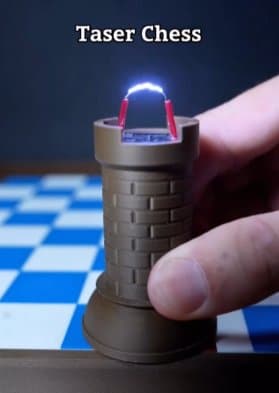
Entertainment insiders say You Will Get Electrocuted If You Lose This High-Stakes Chess Game, according to Dexerto (@Dexerto) (in the last 24 hours).
Source: https://x.com/Dexerto/status/2030380867097448686
A new viral video from a hardware engineer has sparked a conversation about the extreme lengths creators will go to for engagement, while quietly raising eyebrows among platform executives and talent managers. The clip, which began circulating widely after being highlighted by @Dexerto on March 7, features a custom-built chessboard that administers a non-lethal electric shock to a player each time they lose a piece. The creator, identified in related coverage as an engineer and content creator, designed the board as a personal project, filming the intense—and painful—matches for his online audience.
Behind the scenes, the rapid spread of this content is a case study in the current algorithmic landscape. Industry insiders say platforms are in a constant push-pull with creators who escalate physical stunts and high-concept dares to break through the noise. The numbers tell a different story: this specific video garnered millions of views within days, demonstrating a clear audience appetite for this hybrid of gaming, maker culture, and visceral reaction content. For talent representatives, such a stunt is a double-edged sword; it can catapult a creator to immediate notice but also presents clear duty-of-care concerns that brands and larger production companies will scrutinize heavily.
The relevance here extends beyond a single viral hit. It underscores the ongoing pressure on digital creators to innovate within the increasingly crowded "real-life game show" niche, where formats like jet ski chess or high-stakes physical challenges have become lucrative genres. However, the introduction of engineered pain as a game mechanic, even in a controlled setting, crosses into a new tier of risk. Unconfirmed reports suggest the video has already triggered internal discussions at major platforms about where to draw the line on content that incentivizes self-harm, even consensually, for entertainment.
What happens next will likely follow a familiar pattern. The creator in question can expect a flood of inbound interest from brands in the gaming and energy drink sectors, along with inquiries from production companies looking to adapt the concept into a safer, more scalable format for a series. Concurrently, legal and safety reviews at social media companies will assess whether this specific content violates any updated community guidelines regarding dangerous acts. The uncertain timeline revolves around whether this remains a one-off engineering curiosity or becomes the progenitor of a more troubling trend. For now, the industry is watching, aware that the drive for the next viral sensation continually tests the boundaries of both technology and taste.