YouTuber Stunned As Fan Eats Toilet Paper On Camera
By 813 Staff
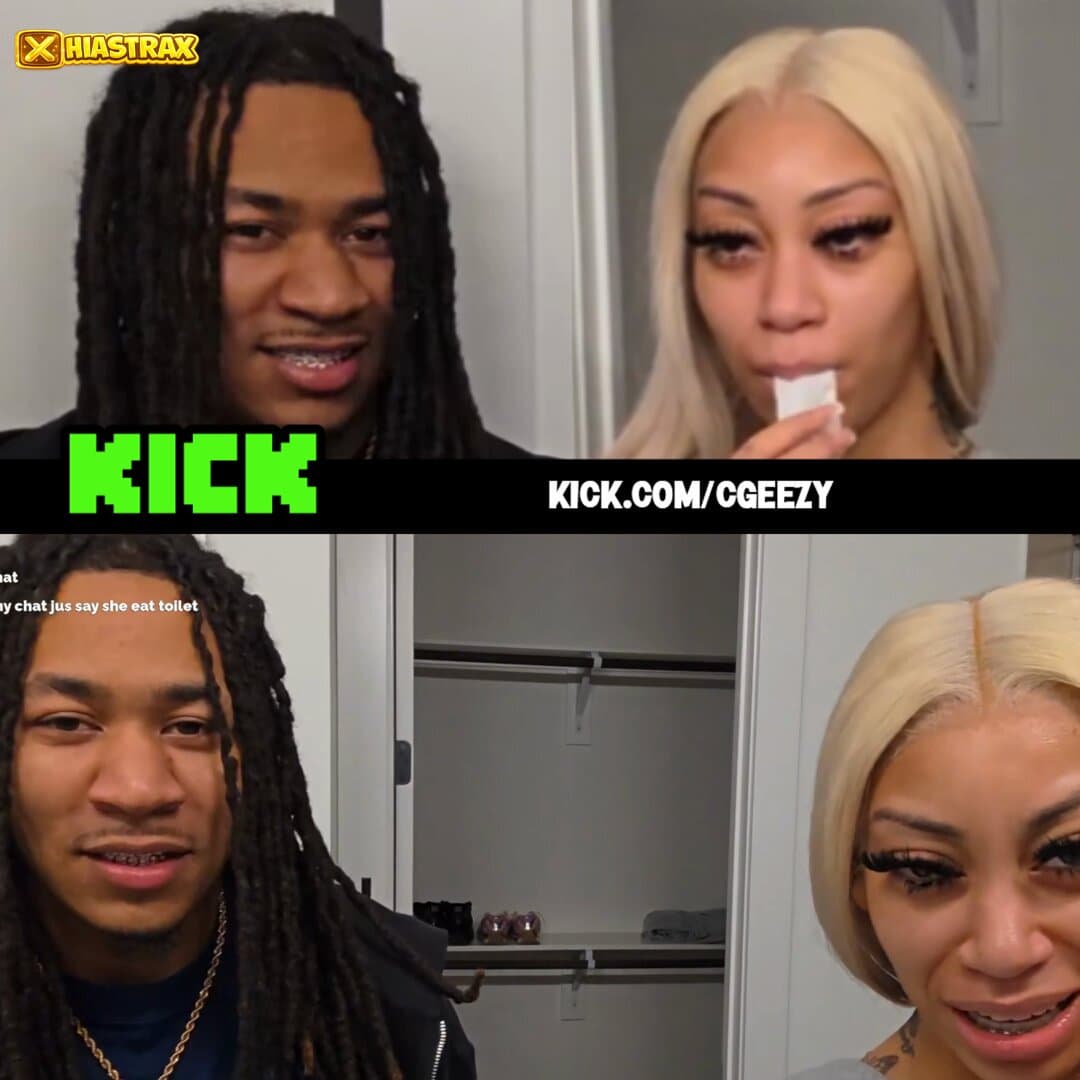
The video clip, viewed over 15 million times in its first 48 hours, shows popular streamer Cgeezy recoiling in real-time as a participant in a live challenge consumes a piece of toilet paper. The incident, captured during a collaborative "Fear Pong" broadcast on March 23rd, has ignited a fierce debate about the sustainability and ethics of viral content formats. Industry insiders say the raw, unfiltered reaction from a creator of Cgeezy’s stature is a significant data point in the ongoing recalibration of platform boundaries. The numbers tell a different story from the perceived "anything goes" atmosphere; viewer sentiment, as tracked by engagement analytics firms, shows a notable dip in positive sentiment for streams featuring extreme dares in the 48 hours following this event.
The source footage, initially highlighted by commentator @Hiastrax, centers on a moment where the planned game took an unexpectedly visceral turn. While the specific challenge involved consuming various non-food items, the toilet paper segment prompted Cgeezy’s immediate and visibly disgusted response, which included turning away from the camera and verbal exclamations of disbelief. Behind the scenes, such collaborative streams are often tightly scheduled business arrangements between creators and their management teams, designed to cross-pollinate audiences. This public breach of professional composure, therefore, signals a potential fracture in the carefully managed facade of these partnerships. It raises immediate questions about duty of care, content oversight, and what obligations, if any, a host has to intervene when a guest’s actions escalate.
Why this matters extends beyond a single viral moment. Platform guidelines and advertiser-friendly content rules have been gradually tightening, with major brands increasingly using AI tools to scan for brand-unsafe moments before placing ads. A clip of this nature, easily taken out of context, can trigger those automated safeguards, potentially affecting revenue not just for the individuals involved but for the broader category of live-streamed challenge content. For the audience, it’s a stark reminder that the pursuit of clicks and concurrent viewers is pushing participants toward increasingly hazardous acts, with real physical and reputational risk.
What happens next is a period of damage control and strategic silence. Expect the involved creators and their representatives to pause on public commentary while they assess the long-tail impact on their individual brands. The more consequential next step will be observed in the booking decisions made by top-tier streamers for future collaborations. Industry watchers will be looking to see if there is a measurable pivot away from physically risky dares and toward more controlled, game-based content. The uncertainty lies in whether this moment becomes a footnote or a genuine inflection point, compelling the creator economy to self-regulate before external forces—be they platforms, advertisers, or legislators—impose stricter regulations of their own.