Afroman Stuns Police With Massive Legal Victory After Raid
By 813 Staff
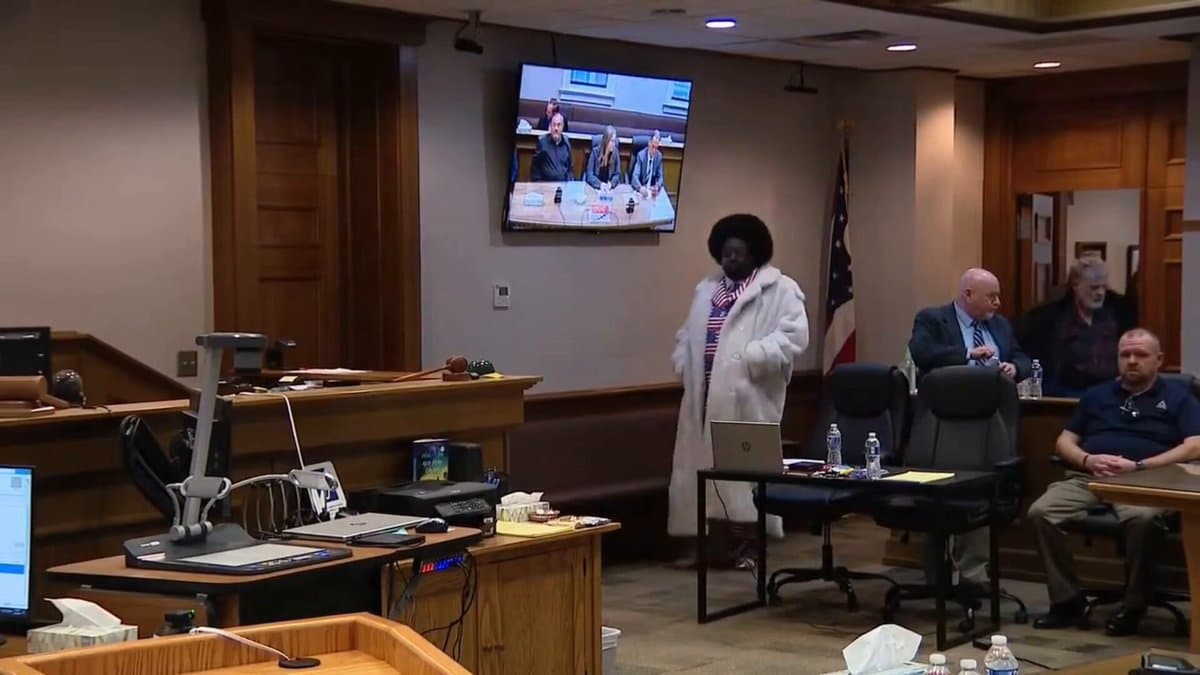
Box office trackers are noting that Afroman Stuns Police With Massive Legal Victory After Raid, according to Daily Loud (@DailyLoud) (in the last 24 hours).
Source: https://x.com/DailyLoud/status/2034410600571314346
Industry insiders are privately calling it a landmark rebuke of overreach, a case that underscores the shifting power dynamics between public figures and law enforcement in the digital age. This week, a federal jury in Ohio delivered a decisive verdict in favor of the rapper and musician Afroman, siding with him after a group of sheriff’s deputies sued him for invasion of privacy, emotional distress, and more. The lawsuit stemmed from a 2022 raid on the artist’s home in Adams County, Ohio, which was captured on his own home security cameras. Afroman subsequently used that footage in music videos and social media posts, turning the aggressive police action into central content for his art and public commentary.
The deputies, from the Adams County Sheriff’s Office, alleged that Afroman’s use of the footage, which showed them executing a search warrant, violated their privacy and caused them harm. The artist’s legal team successfully argued that the videos were a protected form of free speech and a lawful use of material recorded on his own property. The jury’s swift decision to reject all claims, as first reported by Daily Loud (@DailyLoud), sends a clear message. Behind the scenes, entertainment lawyers note this reinforces a crucial precedent: when law enforcement enters a private residence in a conspicuous manner, individuals have significant leeway to document and critique that interaction publicly, especially when it becomes part of their creative expression and brand narrative.
For the culture and entertainment industry, the ruling is a significant victory for artist autonomy. It affirms the right of public figures to control their own narratives, even when facing institutional pressure. In an era where artists routinely mine their personal lives—including legal troubles—for content, the threat of such lawsuits could have had a chilling effect. The numbers tell a different story now; the legal risk calculus for artists and their labels has shifted. This case demonstrates that the courts may side with creative commentary when it is derived from firsthand experience, providing a robust defense against attempts to silence or monetarily punish that expression.
What happens next is largely financial and professional for the involved deputies. While they could appeal the verdict, legal experts suggest the jury’s clear finding makes an overturn unlikely. For Afroman, the path is clearer. He has indicated he will now pursue his own countersuit against the Adams County Sheriff’s Office for the original raid, which yielded no substantial charges. This legal saga, transforming a police raid into a viral marketing campaign and now a definitive court victory, is likely to be studied as a textbook case in artist empowerment, influencing how talent and their management teams handle interactions with authorities for years to come.