Police Officers Lose Lawsuit Against Famous Rapper After Home Raid
By 813 Staff
Studio executives are responding to Police Officers Lose Lawsuit Against Famous Rapper After Home Raid, according to Rain Drops Media (@Raindropsmedia1) (on March 18, 2026).
Source: https://x.com/Raindropsmedia1/status/2034414256796430423
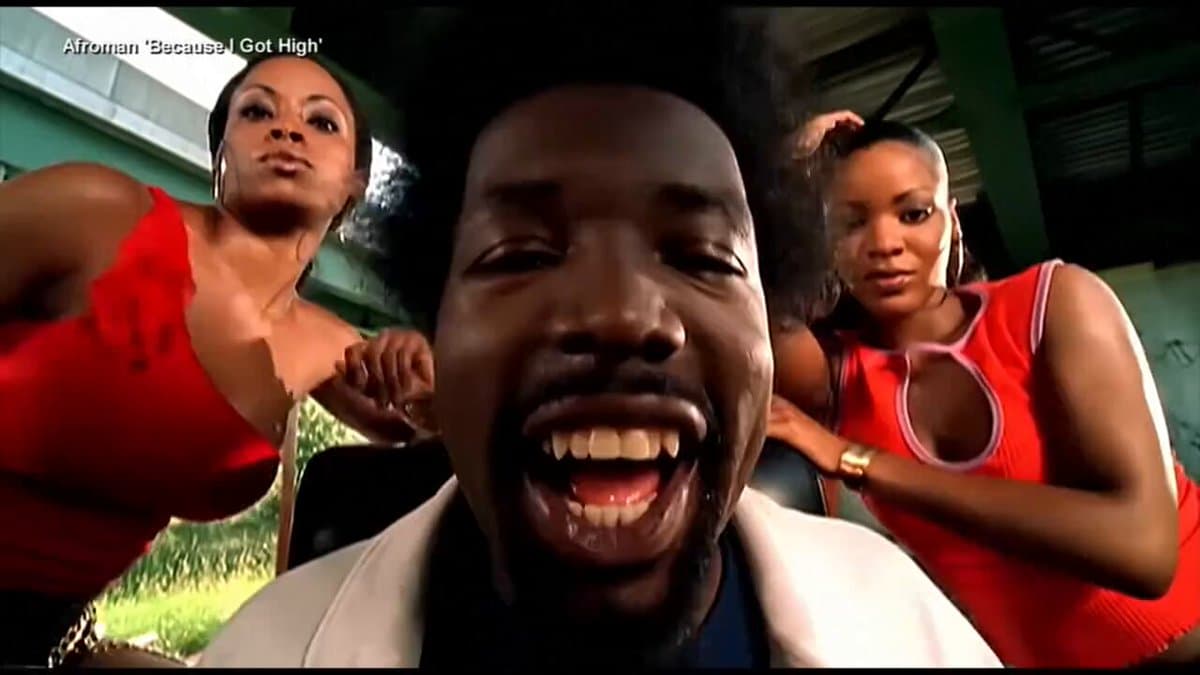
In a significant legal ruling that reverberated through both the entertainment industry and conversations about police accountability, musician and content creator Afroman has successfully defeated a lawsuit brought against him by a local police department. The decision, handed down yesterday, marks the end of a closely watched case that stemmed from the artist’s use of security footage showing officers raiding his Ohio home in 2022. Afroman transformed the widely circulated video into music videos and promotional material, leading the department and individual officers to sue for invasion of privacy, emotional distress, and misuse of their likenesses. The court’s dismissal of the suit affirms Afroman’s right to use the footage under the First Amendment, a point his legal team consistently emphasized.
The case, first highlighted by outlets like Rain Drops Media (@Raindropsmedia1), became a flashpoint for debates over creative expression and the public’s right to critique law enforcement. Industry insiders say the lawsuit inadvertently amplified Afroman’s work, turning a local incident into a national story about power and parody. For content creators and artists, the precedent is substantial. It signals a robust legal defense for using real-life, publicly relevant events in artistic commentary, even when that commentary is commercially leveraged. Behind the scenes, talent attorneys have been briefing clients on the implications, noting it could discourage similar legal challenges against satirical content.
Why does this matter beyond a single legal victory? In an era where viral moments are instantly monetized, the ruling draws a clearer line between retaliation and legitimate rights enforcement. The police department argued harm, but the numbers tell a different story: Afroman’s streams and social engagement surged following the raid and subsequent lawsuit, demonstrating how such actions can backfire. For the public, it reinforces the principle that government actors, when carrying out their duties in a visible manner, are subject to public scrutiny and artistic response.
What happens next involves potential ripple effects. While Afroman is free to continue using the footage, the department could attempt an appeal, though legal analysts consider that path unlikely to succeed. More broadly, expect this case to be cited in future disputes where public figures or entities seek to control narratives through litigation. For Afroman, the win solidifies a career chapter defined by resilience; he is already reportedly incorporating the legal saga into new material. The uncertainty that remains is whether other agencies will take note, potentially thinking twice before pursuing similar actions against creators who turn the camera back on authority.
Source: https://x.com/Raindropsmedia1/status/2034414256796430423